


Debt can affect more than your financial situation. It can also create stress, uncertainty, and difficulty planning for the future. Unexpected expenses, reduced income, or rising financial responsibilities may make it challenging to repay loans on time.
In Hindu traditions, people often turn to spiritual practices for strength, peace of mind, and the hope of financial stability. Worship of Lord Hanuman, Lord Shiva, Goddess Lakshmi, and Lord Kubera is traditionally associated with overcoming difficulties and seeking prosperity.
This article explores 11 traditional spiritual practices associated with debt relief, commonly followed prayers and mantras, and practical steps that can help you manage financial obligations.
These practices are based on religious beliefs and are not guaranteed methods of eliminating debt. A realistic repayment plan and responsible financial decisions remain essential.
What Are Spiritual Remedies for Debt Relief?
Spiritual remedies for debt relief are religious practices followed by devotees who seek peace, strength, and financial well-being during difficult times.
In Hindu traditions, these practices may include:
- Worshipping Lord Hanuman on Tuesdays or Saturdays
- Offering prayers to Lord Shiva
- Reciting traditional mantras
- Worshipping Goddess Lakshmi for prosperity
- Performing Kubera worship
- Practising charity according to one's means
These practices may provide spiritual comfort and help some people maintain a sense of discipline and hope. However, they do not replace financial planning, debt repayment, or professional financial advice.
11 Traditional Remedies for Debt Relief
1. Worship Lord Hanuman on Tuesdays
Tuesday is traditionally associated with Lord Hanuman. Many devotees worship Hanuman Ji on this day and pray for courage, strength, and relief from difficulties.
Common devotional practices include:
- Visiting a Hanuman temple on Tuesday
- Reciting the Hanuman Chalisa
- Lighting a diya before the deity
- Praying for the strength to overcome financial challenges
Hanuman worship is a meaningful spiritual practice for many devotees during challenging periods.
2. Worship Lord Shiva for Peace and Strength
Lord Shiva is worshipped in Hindu traditions for spiritual well-being and relief from difficulties.
Devotees may visit a Shiva temple on Monday, offer water to the Shivling according to their tradition, and chant:
Om Namah Shivaya
The prayer can be offered with the intention of finding peace, clarity, and strength while dealing with financial responsibilities.
3. Chant a Traditional Mantra
Mantra chanting is a common spiritual practice in Hinduism. Many devotees use it as a way to focus their thoughts and maintain a regular prayer routine.
A widely recited mantra dedicated to Lord Shiva is:
Om Namah Shivaya
Chanting can be done in a quiet place according to one's personal faith and tradition.
Some traditions also include prayers to Lord Hanuman or Mangal Dev in connection with debt-related difficulties. If you follow a specific religious practice, consult a knowledgeable priest for guidance on the appropriate mantra.
4. Recite the Hanuman Chalisa
The Hanuman Chalisa is a devotional hymn dedicated to Lord Hanuman. It is commonly recited on Tuesdays and Saturdays.
Many devotees believe that regular recitation strengthens courage and helps them face difficult circumstances with patience.
During financial difficulties, prayer may provide emotional and spiritual support. It should be accompanied by practical steps to address the underlying financial situation.
5. Worship Goddess Lakshmi
Goddess Lakshmi is traditionally regarded as the goddess of wealth, prosperity, and abundance. Friday is commonly associated with her worship.
Devotees may follow practices such as:
- Keeping the place of worship clean
- Lighting a diya
- Offering flowers according to their tradition
- Praying for prosperity and financial stability
Goddess Lakshmi worship is a traditional expression of faith. Financial stability also depends on responsible spending, saving, and repayment decisions.
6. Perform Worship of Lord Kubera
Lord Kubera is traditionally regarded as the deity associated with wealth and material prosperity.
Some devotees perform Kubera worship to seek blessings for prosperity and financial well-being.
The exact method of worship and the mantras used may vary across traditions. If you wish to perform a specific Kubera ritual, seek guidance from a knowledgeable priest.
7. Keep Your Home and Place of Worship Clean
Cleanliness is an important aspect of many Hindu religious practices. Keeping the home and place of worship organised is traditionally considered auspicious.
A clean and organised environment can also make daily routines easier and create a more peaceful atmosphere.
8. Light a Diya on Friday
Lighting a diya during Goddess Lakshmi worship on Friday is a common tradition in many Hindu households.
Devotees may offer prayers for prosperity, peace, and stability.
If you light a diya, place it on a stable surface and keep it away from curtains, paper, and other flammable materials. Never leave an open flame unattended.
9. Help People in Need
Charity and service are valued in many religious traditions. Helping people in need may include donating food, educational supplies, or essential items.
If you are currently facing debt, keep your own financial obligations in mind. Do not take on additional debt to make donations. Give only what you can reasonably afford.
10. Maintain a Regular Prayer or Meditation Routine
Financial difficulties can be stressful. Some people find that prayer, meditation, or quiet reflection helps them manage stress and maintain focus.
You can set aside a few minutes each day for a spiritual practice that aligns with your beliefs.
A regular routine may help you approach financial challenges with greater patience and clarity.
11. Follow Financial Discipline Alongside Spiritual Practices
Spiritual practices may provide comfort, but a clear financial plan is essential when dealing with debt.
Consider these practical steps:
- List all outstanding loans and their interest rates.
- Calculate your monthly income and essential expenses.
- Prioritise required loan payments and EMIs.
- Identify high-interest debt that may need priority repayment.
- Avoid taking new loans without assessing your repayment capacity.
- Contact your lender if you are struggling to make payments.
- Seek qualified financial advice when necessary.
A realistic repayment strategy can help you understand your financial position and make informed decisions.
Which Pooja Is Traditionally Performed for Debt Relief?
Different Hindu traditions associate various forms of worship with financial difficulties and the desire for stability.
Common practices include:
Hanuman Pooja: Worship of Lord Hanuman for courage and strength during difficult circumstances.
Rin Mukti Mangal Stotra: A devotional hymn associated in some traditions with Mangal Dev and prayers for relief from debt-related difficulties.
Shiva Pooja: Worship of Lord Shiva for peace, spiritual strength, and relief from difficulties.
Goddess Lakshmi Pooja: Worship associated with wealth, prosperity, and financial well-being.
Kubera Pooja: Traditional worship of Lord Kubera, who is associated with wealth and material prosperity.
The method of worship may vary depending on family traditions, religious practices, and the guidance of a priest.
How to Book a Pandit for Debt-Related Pooja
If you wish to perform a pooja related to debt relief or financial well-being, first understand the ritual, its requirements, the preferred date, and whether it can be performed at your home or a temple.
Through Prayfullit, you can explore pandit booking services based on your requirements.
Before confirming a booking, check:
- The pooja being performed
- The ritual procedure
- The date and location
- The pooja materials required
- The service availability and charges
Choose a ritual based on your religious beliefs and avoid claims that a pooja will guarantee financial results.
Conclusion
Dealing with debt requires patience, discipline, and a clear plan. In Hindu traditions, worship of Lord Hanuman, Lord Shiva, Goddess Lakshmi, and Lord Kubera is associated with seeking strength, peace, and prosperity during financial difficulties.
You may follow spiritual practices according to your beliefs while also taking practical steps to manage your finances. Tracking expenses, planning repayments, and seeking professional financial guidance when necessary can help you work toward greater financial stability.
If you wish to perform a pooja related to debt relief or financial well-being, explore the pandit booking services available through Prayfullit.
Learn About This Pooja
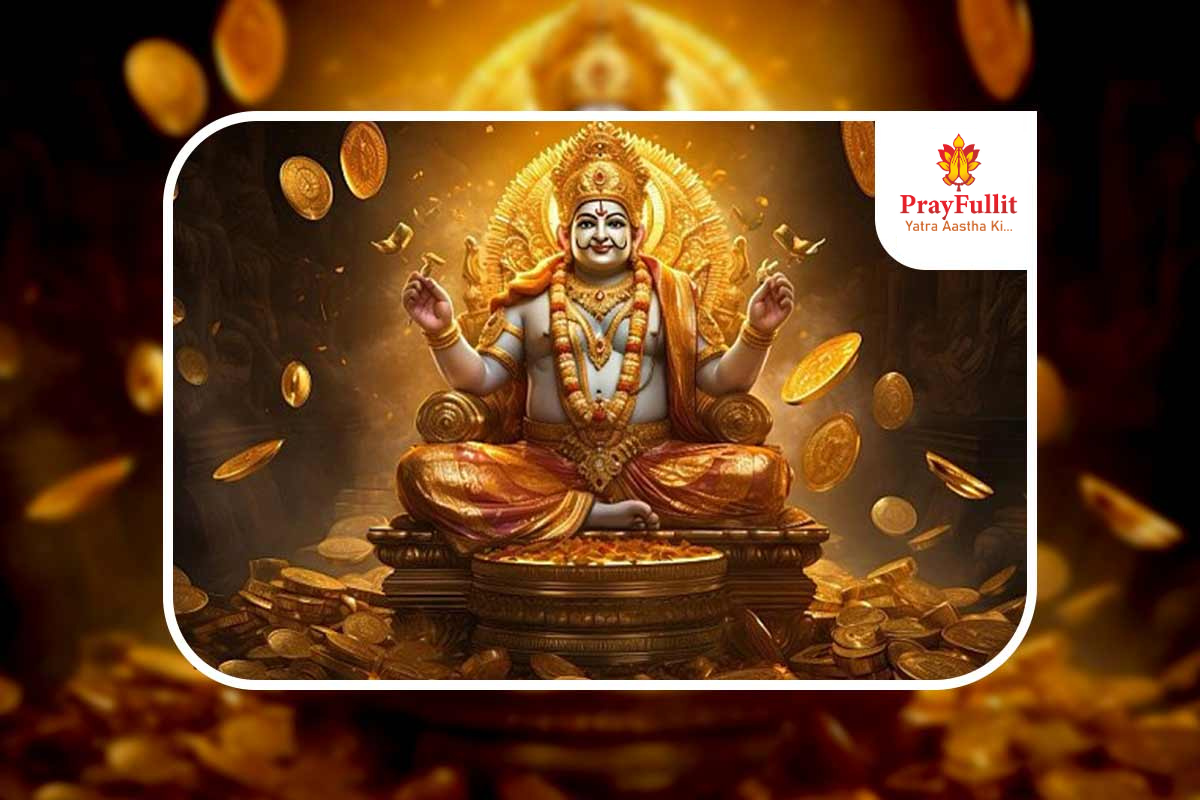
Kuber Upasana Pooja
Kuber Upasana Pooja Online: Book Expert Pandits for Wealth & Prosperity Kuber Upasana Pooja is a sacred Vedic ritual...
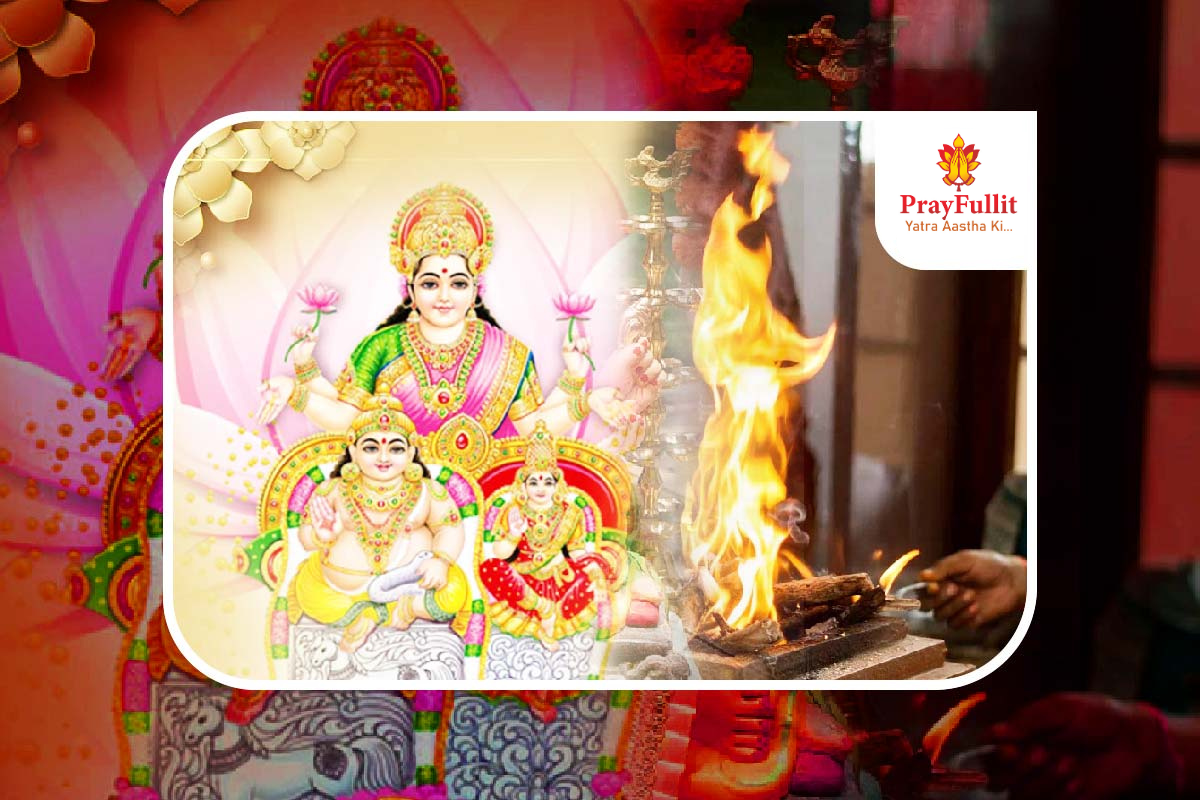
Lakshmi Kuber Havan
Lakshmi Kuber Havan Online – Book Expert Pandits for Wealth & AbundanceThe Lakshmi Kuber Havan is the ultimate Vedic rit...
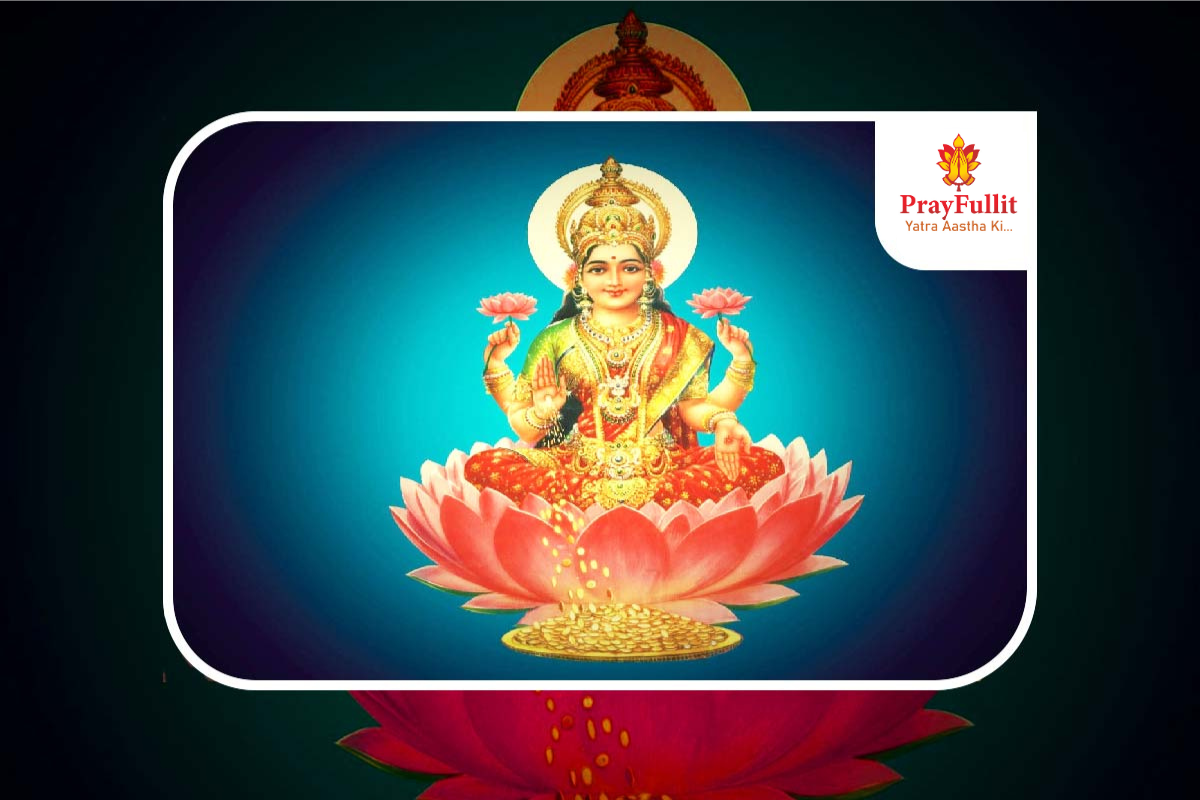
Lakshmi Sahasranaam Paath
Lakshmi Sahasranaam Paath Online - Book Expert Pandit with PrayfullitThe Lakshmi Sahasranaam is a powerful Vedic invocat...
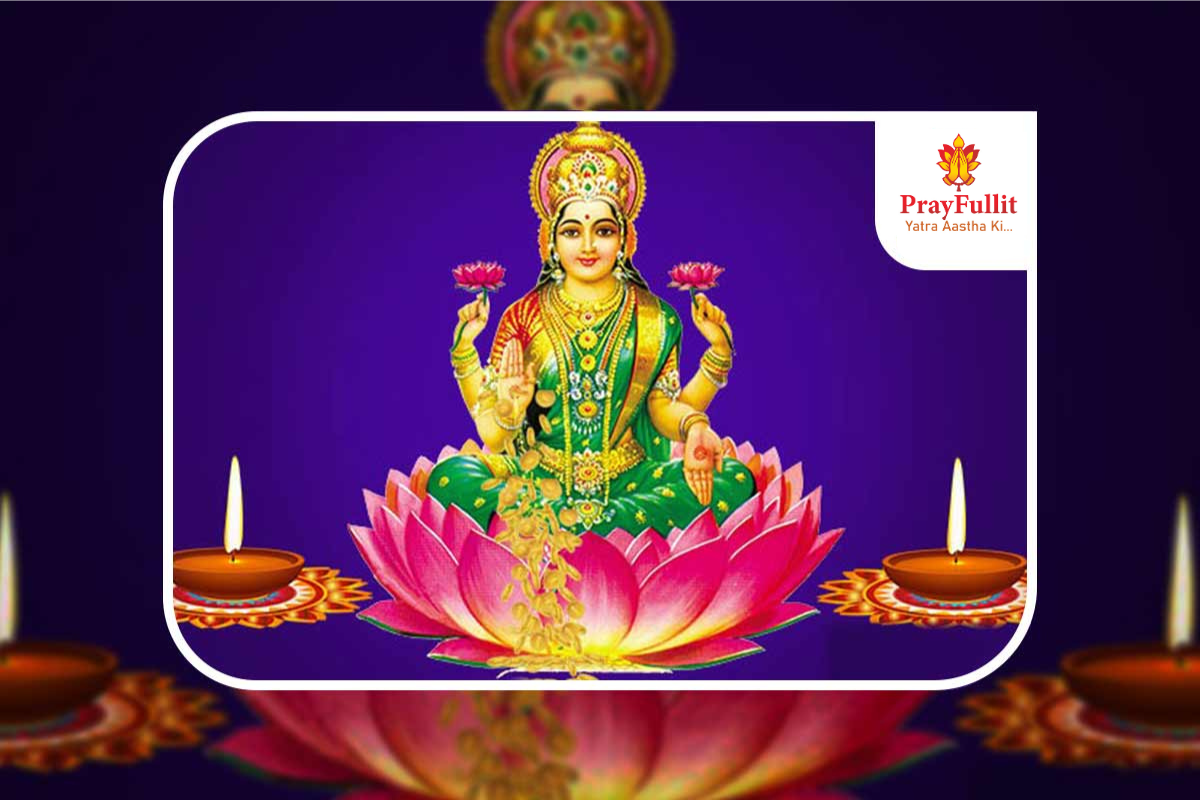
Mahalakshmi Pooja
Book Mahalakshmi Pooja: Expert Pandits for Wealth and Abundance Mahalakshmi Pooja is a sacred Vedic ritual dedicated...
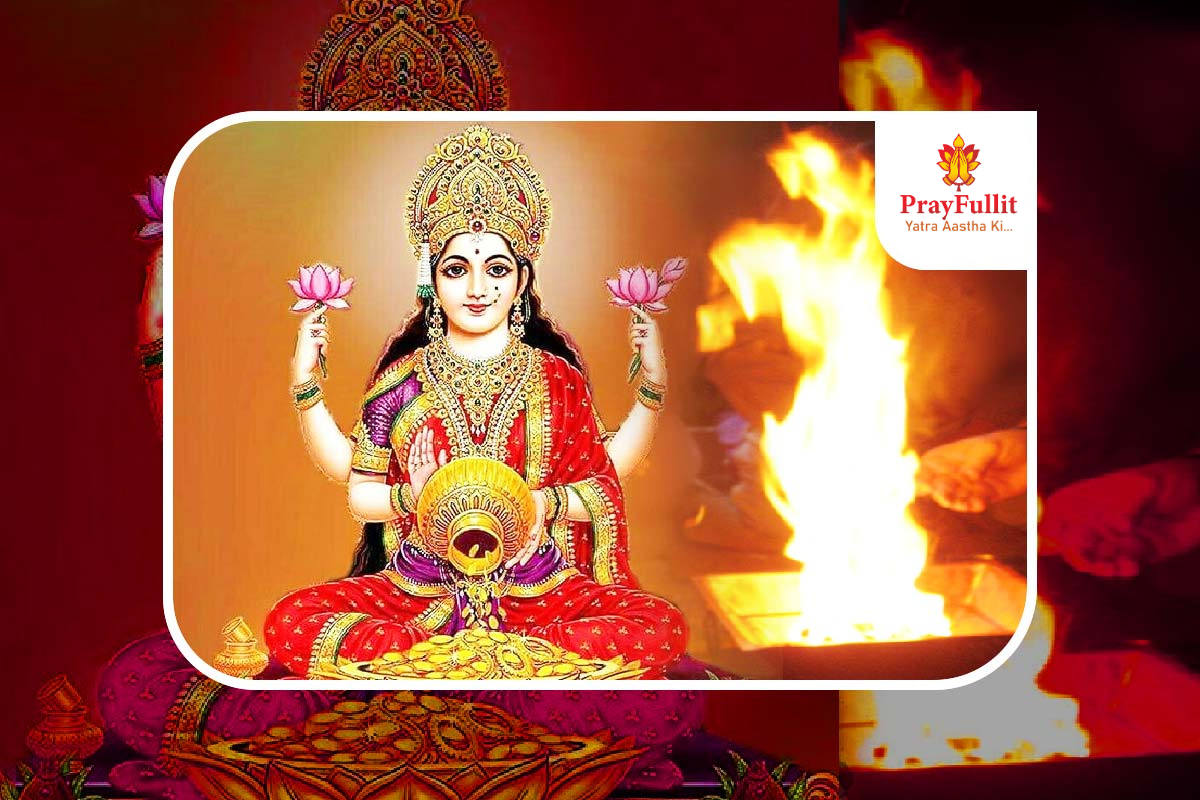
Sri Sukta (Lakshmi) and Havan
Sri Sukta is a revered hymn dedicated to Goddess Lakshmi, the goddess of wealth, prosperity, and abundance. It is found...
This information is based on traditional religious beliefs and scriptural practice. No remedy can guarantee a result. For health, legal or financial matters, always consult a qualified expert.
Want Kuber Upasana Pooja performed with full rituals by an experienced pandit?