


Building wealth and achieving financial stability are important goals for many people. Financial well-being can support a family's needs, future plans, education, healthcare, and overall quality of life. In Hindu traditions, wealth and prosperity are often associated with Goddess Lakshmi, Lord Kubera, and Lord Ganesha. Devotees may follow traditional practices such as worship, mantra chanting, lighting a diya, and charity to seek blessings for prosperity.
If you are looking for spiritual practices for wealth growth, this article explores 11 traditional practices associated with prosperity, along with mantras, pooja traditions, and practical financial habits.
These practices are based on religious beliefs and are not guaranteed ways to increase wealth. Financial stability also depends on responsible decisions, saving, planning, and managing expenses.
What Are Spiritual Practices for Wealth Growth?
Spiritual practices for wealth growth are religious or devotional activities followed by people who seek prosperity, financial well-being, and peace of mind.
In Hindu traditions:
- Goddess Lakshmi is associated with wealth, prosperity, and abundance.
- Lord Kubera is traditionally regarded as the deity of wealth.
- Lord Ganesha is worshipped at the beginning of auspicious activities and for the removal of obstacles.
Devotees may worship these deities according to their beliefs and family traditions.
Alongside spiritual practices, maintaining financial discipline is important for building long-term stability.
11 Traditional Remedies for Wealth Growth and Prosperity
1. Worship Goddess Lakshmi on Friday
Friday is traditionally considered an auspicious day for worshipping Goddess Lakshmi, who is associated with wealth and prosperity.
Devotees may follow practices such as:
- Keeping the place of worship clean
- Lighting a diya before the deity
- Offering flowers according to their tradition
- Chanting a Lakshmi mantra
- Praying for prosperity and financial well-being
The method of worship may vary across families and religious traditions.
2. Worship Lord Kubera
Lord Kubera is traditionally regarded as the deity associated with wealth and material prosperity.
Some devotees perform Kubera worship to seek blessings for financial well-being.
The rituals and mantras used may differ according to religious traditions. If you wish to perform a specific Kubera pooja, consult a knowledgeable priest for guidance.
3. Chant a Goddess Lakshmi Mantra
Mantra chanting is a common devotional practice in Hinduism. Many devotees use it to express faith and maintain a regular spiritual routine.
A widely recited mantra dedicated to Goddess Lakshmi is:
Om Shreem Mahalakshmyai Namah
In Devanagari:
ॐ श्रीं महालक्ष्म्यै नमः॥
The mantra may be chanted in a quiet place according to one's beliefs and tradition.
It is a devotional practice, not a guarantee of financial gain.
4. Worship Lord Ganesha Before New Beginnings
Lord Ganesha is traditionally worshipped at the beginning of auspicious activities and is associated with the removal of obstacles.
Many devotees offer prayers to Ganesha Ji before starting a business, beginning a new project, or making an important decision.
A commonly recited mantra is:
Om Gam Ganapataye Namah
In Devanagari:
ॐ गं गणपतये नमः॥
Devotees may chant this mantra according to their religious beliefs.
5. Keep Your Home and Place of Worship Clean
Cleanliness is considered an important part of many Hindu religious practices. Keeping the home and place of worship clean and organised is traditionally regarded as auspicious.
A clean environment can also help create a peaceful atmosphere and make daily routines easier to maintain.
6. Light a Diya on Friday
Lighting a diya during Goddess Lakshmi worship on Friday is a common tradition in many Hindu households.
Devotees may offer prayers for prosperity, peace, and financial stability.
If you light a diya, place it on a stable surface and keep it away from curtains, paper, and other flammable materials. Never leave an open flame unattended.
7. Practise Charity According to Your Means
Charity and service are valued in many religious traditions.
You may help people in need by donating food, educational supplies, or essential items according to your financial capacity.
If you are managing financial obligations, prioritise your own essential expenses. Do not take on debt to make donations.
8. Maintain a Regular Prayer or Meditation Routine
Regular prayer, mantra chanting, or meditation may help some people maintain a sense of calm and discipline.
You can set aside a few minutes each day for a spiritual practice that aligns with your beliefs.
A consistent routine can provide an opportunity for reflection and help you approach financial decisions more thoughtfully.
9. Respect Money and Manage Your Expenses
Wealth growth is not only about earning more money. Managing what you earn is also important.
Consider developing these habits:
- Track your monthly income and expenses.
- Identify unnecessary spending.
- Create a realistic monthly budget.
- Build a regular savings habit.
- Prioritise essential expenses.
- Review your financial goals periodically.
These practices can help you understand your financial position and work toward greater stability.
10. Explore Opportunities to Increase Your Income
Increasing income may be an important part of improving your financial position.
Depending on your circumstances, you may consider:
- Learning new professional skills
- Exploring better employment opportunities
- Improving your business strategy
- Considering legitimate additional income opportunities
Before making an investment or starting a business, understand the risks, costs, and possibility of financial loss.
11. Create a Financial Plan for Your Goals
Clear financial goals can help you make better decisions about money.
You may want to plan for:
- Emergency savings
- Education or housing expenses
- Reducing outstanding debt
- Retirement or future financial needs
- Long-term savings
Your financial plan should reflect your income, expenses, risk tolerance, and time horizon. Consider seeking advice from a qualified financial professional when necessary.
Which Pooja Is Traditionally Performed for Wealth Growth?
In Hindu traditions, different forms of worship are associated with prosperity and financial well-being.
Goddess Lakshmi Pooja
Goddess Lakshmi is traditionally worshipped for wealth, prosperity, and abundance. Friday is commonly associated with her worship.
Kubera Pooja
Lord Kubera is regarded as the deity associated with wealth and material prosperity. Some devotees perform Kubera worship to seek blessings for financial well-being.
Lord Ganesha Pooja
Lord Ganesha is worshipped for auspicious beginnings and the removal of obstacles. Devotees may offer prayers before starting a new business or important activity.
Shri Sukta Recitation
The Shri Sukta is a traditional Vedic hymn associated with the praise of Goddess Lakshmi. It is recited by devotees as part of Lakshmi worship.
The method of worship may vary according to family traditions and religious practices. Consult a knowledgeable priest if you wish to perform a specific pooja.
How to Book a Pandit for Wealth and Prosperity Pooja
If you wish to perform a pooja associated with wealth or prosperity, first understand the ritual, its requirements, the preferred date, and whether it can be performed at your home or a temple. Through Prayfullit, you can explore pandit booking services according to your requirements.
Before confirming a booking, check:
- The pooja being performed
- The ritual procedure
- The date and location
- The pooja materials required
- Service availability and charges
Choose a ritual according to your religious beliefs. Avoid claims that a pooja or mantra will guarantee financial results.
Conclusion
In Hindu traditions, worship of Goddess Lakshmi, Lord Kubera, and Lord Ganesha is associated with seeking prosperity and abundance. You may follow these spiritual practices according to your beliefs.
If you wish to perform a pooja associated with wealth and prosperity, explore the pandit booking services available through Prayfullit.
Learn About This Pooja
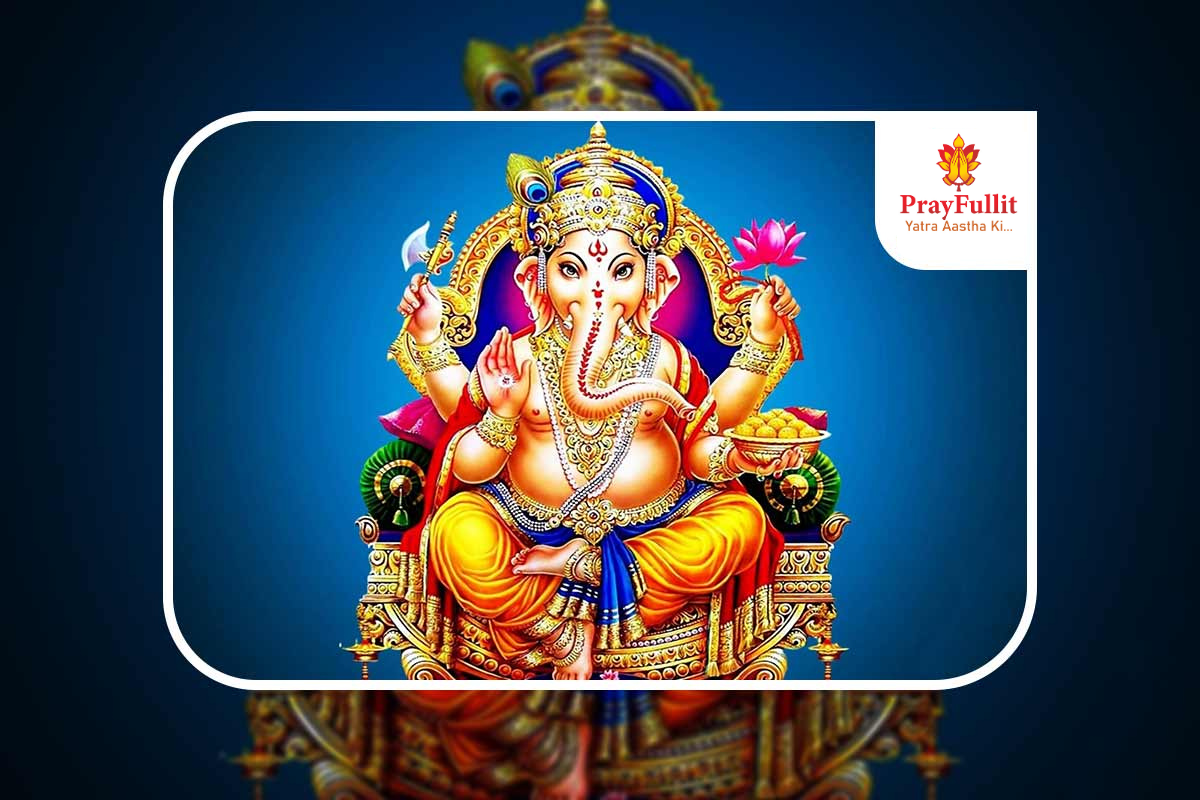
Ganesh Pooja
Ganesh Pooja – Book Expert Pandits for Success and Prosperity Ganesh Pooja is a revered Hindu ritual dedicated to Lor...
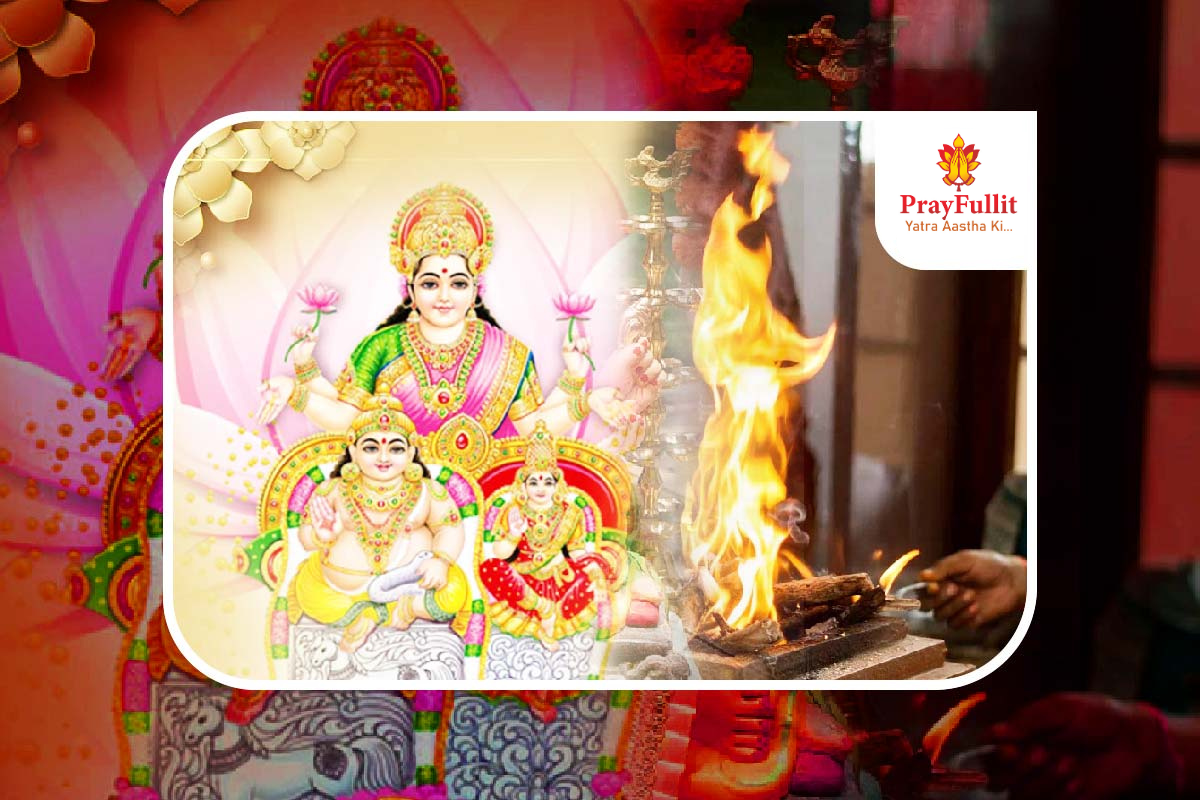
Lakshmi Kuber Havan
Lakshmi Kuber Havan Online – Book Expert Pandits for Wealth & AbundanceThe Lakshmi Kuber Havan is the ultimate Vedic rit...
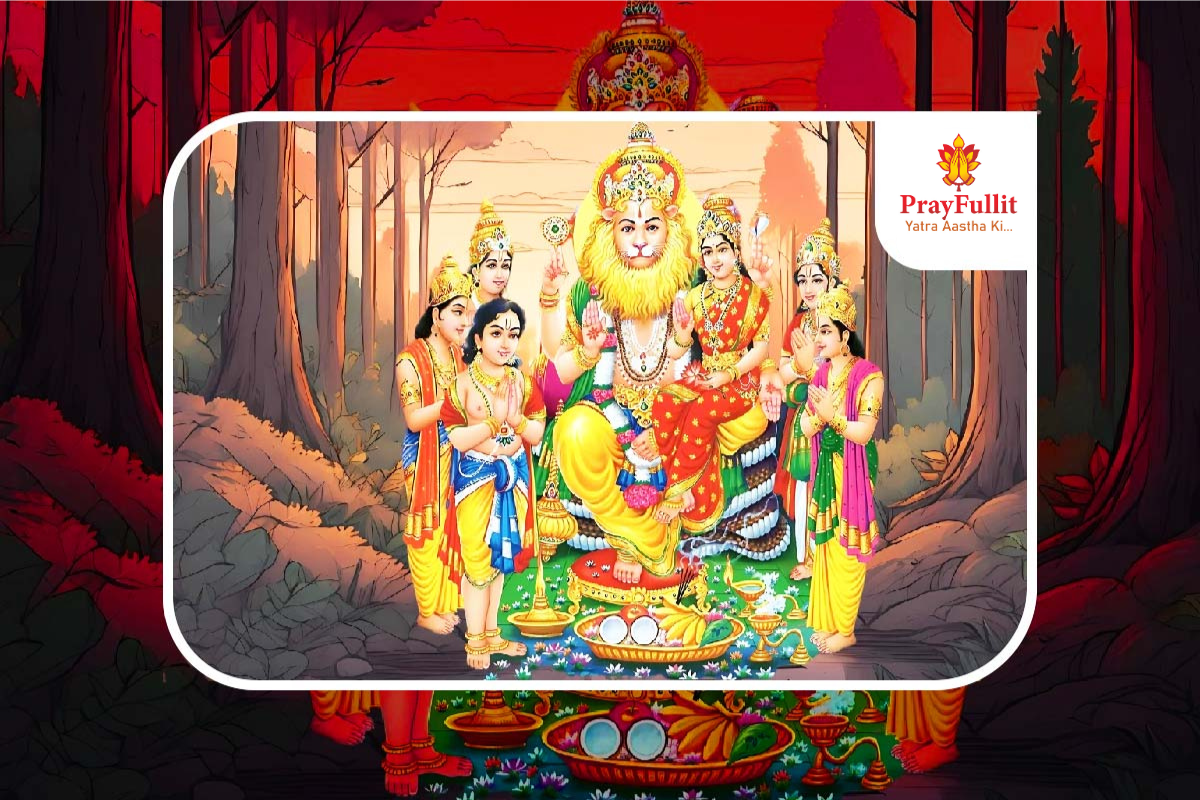
Lakshmi Narsimha Sahasranaam Paath
Lakshmi Narsimha Sahasranaam Paath Online – Book Pandits for Protection & WealthThe Lakshmi Narsimha Sahasranaam is a ra...
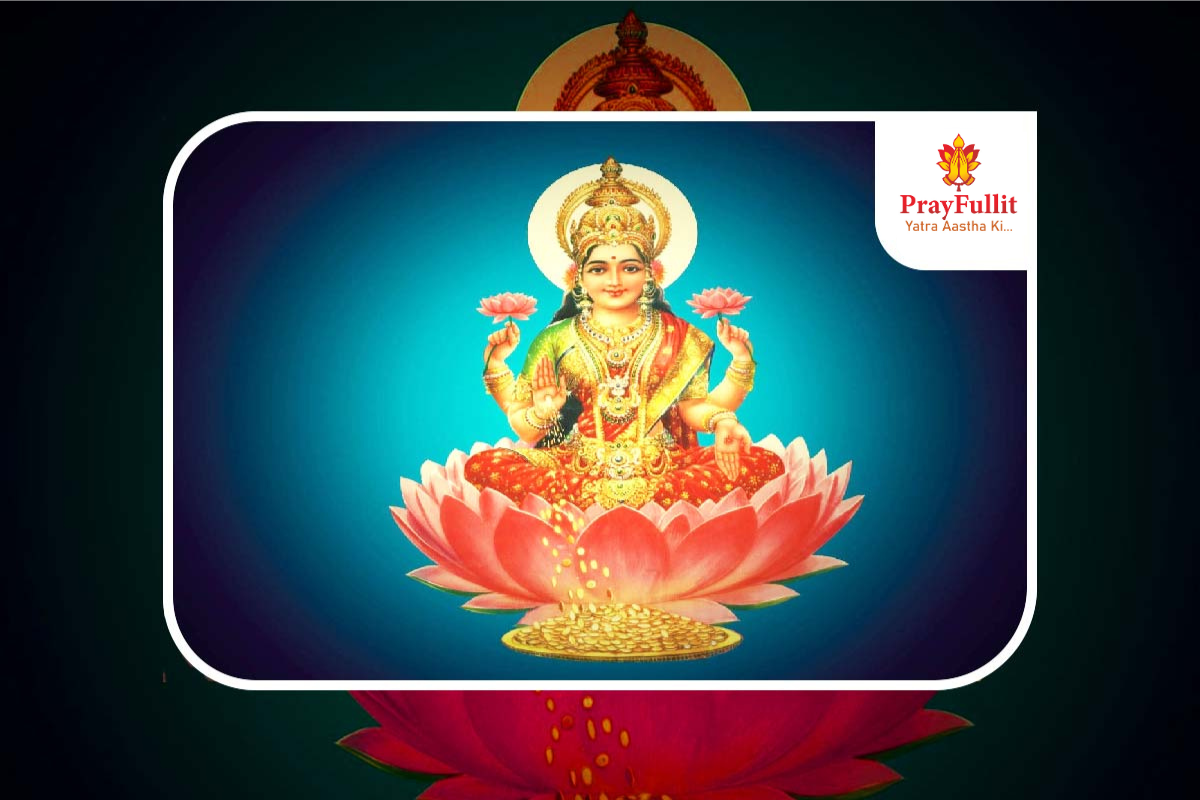
Lakshmi Sahasranaam Paath
Lakshmi Sahasranaam Paath Online - Book Expert Pandit with PrayfullitThe Lakshmi Sahasranaam is a powerful Vedic invocat...
This information is based on traditional religious beliefs and scriptural practice. No remedy can guarantee a result. For health, legal or financial matters, always consult a qualified expert.
Want Ganesh Pooja performed with full rituals by an experienced pandit?