



Family peace and harmony are considered blessings in Hindu traditions. A home where family members live with understanding, respect and affection is believed to have a positive spiritual environment. However, when frequent arguments, misunderstandings, disagreements and unrest become a part of everyday life, the peace of the household may feel disturbed.
In Hindu spiritual traditions, recurring family problems are sometimes associated with planetary influences, Vastu imbalances or disturbances in the spiritual environment of the home. Devotees often turn towards prayer, mantra chanting, puja and astrological guidance to seek divine blessings and restore harmony within their families.
If there is frequent tension, family conflict or unrest at home, certain spiritual practices may help you strengthen your faith and seek blessings for peace, positivity and harmony.
In this guide, discover traditional spiritual remedies for family peace, the pujas performed for household harmony and when you may consider seeking guidance from a Pandit or astrologer.
Why Does Family Conflict Occur According to Hindu Spiritual Beliefs?
In Hindu astrology and spiritual traditions, repeated family disagreements, tension and unrest are sometimes associated with planetary influences, Vastu-related concerns and the spiritual environment of the household.
1. Unfavourable Planetary Influences
According to Jyotish Shastra, certain planetary placements may be interpreted as influencing emotions, communication, relationships and domestic life.
-
Moon (Chandra): Traditionally associated with the mind and emotions. An afflicted Moon may be interpreted as a factor associated with emotional restlessness, misunderstandings or instability.
-
Mars (Mangal): Associated with energy, aggression and conflict. Certain placements of Mars may traditionally be interpreted as contributing to anger, arguments or relationship tension.
-
Rahu and Ketu: In astrology, these are associated with confusion, uncertainty and unusual circumstances. Certain placements may be interpreted as contributing to misunderstandings or disturbances in family life.
-
Saturn (Shani): Traditionally associated with discipline, karma, delays and challenges. Its influence may be interpreted as bringing periods of hardship or responsibility in certain areas of life.
These are traditional astrological interpretations. The influence of planets is assessed differently according to an individual's horoscope.
2. Vastu Imbalances in the Home
According to Vastu Shastra, the arrangement, directions and energy of a home are considered important for maintaining harmony within the household.
Certain Vastu imbalances are traditionally believed to contribute to an unsettled environment. The placement of the kitchen, bedroom, entrance and home temple is often considered significant in Vastu principles.
Families concerned about Vastu-related issues may seek guidance from a knowledgeable Vastu consultant to understand the layout of their home and traditionally recommended remedies.
3. Disturbance in the Spiritual Environment of the Home
In Hindu traditions, regular prayers, devotional activities, mantra chanting and worship are considered important for maintaining the spiritual atmosphere of a household.
A home where spiritual practices are performed with devotion is traditionally believed to attract divine blessings and positivity. Many families therefore maintain a home temple, light a diya, chant mantras and perform regular prayers to seek peace and harmony.
9 Spiritual Remedies for Family Peace and Harmony
1. Light a Diya Every Morning and Evening
Lighting a diya is one of the most common spiritual practices in Hindu households. The light of a diya symbolises divine presence, purity, wisdom and the removal of darkness.
To seek blessings for family peace:
-
Light a diya near your home temple every morning or evening.
-
Use ghee or sesame oil according to your tradition.
-
Offer prayers to your preferred deity.
-
Pray for harmony, understanding, happiness and peace among family members.
Regular diya lighting is traditionally believed to help create a peaceful and spiritually positive environment in the home.
2. Worship Lord Shiva for Peace in the Family
Lord Shiva is worshipped as a symbol of peace, compassion, balance and spiritual transformation. Devotees often seek His blessings during difficult periods of life.
For family harmony, you can worship Lord Shiva by:
-
Offering water to the Shivling.
-
Offering Bel Patra according to traditional practices.
-
Chanting Om Namah Shivaya.
-
Performing Shiva worship on Mondays.
-
Praying for peace and understanding among family members.
Regular Shiva worship is traditionally believed to help devotees seek spiritual calmness, divine blessings and harmony.
3. Chant Om Namah Shivaya for Family Harmony
Mantra chanting is an important part of Hindu spiritual practice. Om Namah Shivaya is a sacred mantra dedicated to Lord Shiva and is widely recited by devotees.
You can chant this mantra daily in the morning or evening, preferably in a peaceful place.
Mantra: Om Namah Shivaya
You may chant the mantra 108 times using a Rudraksha mala, if available. Maintain a calm mind and pray for the well-being, peace and happiness of your family.
4. Recite Hanuman Chalisa to Seek Protection and Strength
Hanuman Chalisa is widely recited by devotees seeking the blessings of Lord Hanuman for courage, strength, protection and the removal of obstacles. Reciting Hanuman Chalisa on Tuesdays and Saturdays, or regularly according to your devotion, is a traditional spiritual practice.
Devotees believe that worshipping Lord Hanuman helps strengthen faith and provides spiritual courage during challenging periods.
5. Perform Sundarkand Path for Family Peace
Sundarkand Path is considered an auspicious devotional recitation in Hindu tradition. It describes the courage, devotion and divine strength of Lord Hanuman. Many families perform Sundarkand Path to seek blessings for peace, prosperity, protection and the removal of obstacles.
Sundarkand Path may be performed at home with family members or with the assistance of a knowledgeable Pandit. Families often perform Sundarkand Path when they wish to seek divine blessings during periods of tension, difficulties or uncertainty.
6. Maintain a Sacred and Positive Home Temple
The home temple is considered a sacred space where family members connect with the divine through prayer and devotion.
To maintain a spiritually positive environment:
-
Keep the home temple clean and organised.
-
Light a diya regularly.
-
Offer flowers and fresh water.
-
Perform daily prayers.
-
Chant mantras or devotional hymns.
-
Avoid neglecting the prayer space.
Regular worship and devotion are believed to help maintain spiritual purity and invite divine blessings into the household.
7. Follow Traditional Remedies for Negative Energy at Home
In Hindu spiritual and folk traditions, certain practices are followed to purify the spiritual environment of a home and seek protection from negativity.
Some commonly followed practices include:
-
Lighting incense or dhoop during prayer.
-
Performing regular diya lighting.
-
Chanting devotional mantras.
-
Keeping the home temple clean.
-
Performing havan according to traditional rituals.
-
Offering prayers to the family deity.
These practices are traditionally believed to help create a spiritually positive environment.
If you specifically want to explore remedies for negative energy in the home, the remedies may vary according to the tradition and the concern being addressed.
8. Perform Griha Shanti Puja
Griha Shanti Puja is a traditional Hindu ritual performed to seek peace, prosperity and divine blessings for a household.
Families may perform Griha Shanti Puja during important occasions or when they wish to seek spiritual harmony and positivity within their home.
The puja may involve:
-
Worship of various deities.
-
Vedic mantra chanting.
-
Sankalp.
-
Havan.
-
Traditional offerings.
Griha Shanti Puja is commonly performed with the guidance of a Pandit who conducts the ritual according to the family's traditions.
If you wish to seek divine blessings for peace, harmony and well-being in your household, Griha Shanti Puja may be considered according to your spiritual beliefs.
9. Perform Graha Shanti Puja According to Your Horoscope
According to Vedic astrology, certain planetary placements in a person's horoscope may be interpreted as contributing to challenges in relationships, family life or other circumstances.
Graha Shanti Puja is performed to seek the blessings of planetary deities and reduce traditionally believed adverse planetary influences.
Depending on the horoscope and the guidance of a knowledgeable Pandit, the ritual may involve:
-
Navgraha worship.
-
Mantra chanting.
-
Havan.
-
Sankalp.
-
Offerings to planetary deities.
If recurring family problems are believed to be associated with planetary influences, an astrologer may recommend an appropriate Graha Shanti ritual after examining the horoscope.
How to Remove Family Conflicts and Frequent Arguments Spiritually?
When disagreements, misunderstandings and arguments occur frequently in a family, many devotees turn towards spiritual practices to seek peace and divine blessings.
According to Hindu spiritual traditions, the following practices may be considered:
-
Regular worship of Lord Shiva.
-
Chanting Om Namah Shivaya.
-
Reciting Hanuman Chalisa.
-
Performing Sundarkand Path.
-
Keeping the home temple clean.
-
Performing Griha Shanti Puja.
-
Seeking personalised astrological guidance.
These practices are followed with the belief that devotion, prayer and appropriate rituals can help individuals seek spiritual balance and divine blessings during difficult periods.
Which Puja Should You Perform for Family Problems?
Different pujas are performed according to the family's circumstances, spiritual beliefs and, where relevant, astrological guidance.
| Puja | Traditional spiritual purpose |
|---|---|
| Griha Shanti Puja | Seeking peace, harmony and divine blessings for the household |
| Graha Shanti Puja | Seeking blessings to reduce traditionally believed adverse planetary influences |
| Navgraha Shanti Puja | Worship of the nine planetary deities |
| Sundarkand Path | Seeking the blessings, courage and protection of Lord Hanuman |
| Maha Mrityunjaya Jaap | Devotional prayer to Lord Shiva for spiritual strength, well-being and blessings |
The appropriate ritual may vary according to the family's situation. If you are unsure which puja to perform, consulting a knowledgeable Pandit or astrologer may help you understand the traditional practices relevant to your circumstances.
Book a Pandit for Family Peace Puja at Home
When family tension, misunderstandings or unrest persist, many families turn towards traditional Hindu rituals to seek divine blessings and spiritual guidance. Griha Shanti Puja, Graha Shanti Puja, Navgraha Shanti Puja and Sundarkand Path are among the rituals traditionally performed by families seeking peace, harmony and positivity.
At Prayfullit, you can book a Pandit for various pujas and spiritual rituals performed at home.
Whether you wish to perform Griha Shanti Puja, Graha Shanti Puja, Sundarkand Path or another ritual, Prayfullit can help you arrange the puja according to your requirements.
Book a Pandit for Puja at Home with Prayfullit and seek divine blessings for peace and harmony in your family.
When Should You Consult an Astrologer for Family Problems?
If family conflicts have become recurring, relationships are strained or you are experiencing repeated difficulties in your domestic life, you may consider consulting an astrologer for personalised guidance.
Astrological consultation may help you explore traditional interpretations related to:
-
Family relationship difficulties.
-
Frequent disagreements within the household.
-
Marriage and relationship concerns.
-
Planetary influences associated with domestic life.
-
Vastu-related concerns.
-
Suitable pujas and spiritual remedies.
An astrologer can examine your birth chart and suggest remedies according to traditional Jyotish principles.
Instead of following random remedies, personalised astrological guidance can help you understand which spiritual practices are traditionally considered suitable for your situation.
Book an Astrology Consultation with Prayfullit to receive personalised astrological guidance and understand the spiritual remedies traditionally recommended for your circumstances.
Conclusion
Family peace and harmony are considered blessings in Hindu spiritual traditions. When a household experiences repeated disagreements, tension or unrest, devotional practices such as Shiva worship, mantra chanting, Hanuman Chalisa, Sundarkand Path and Griha Shanti Puja are traditionally followed to seek divine blessings.
Along with regular devotion, families may also seek personalised guidance from a knowledgeable astrologer to understand traditional astrological remedies relevant to their circumstances.
If you wish to perform a puja for family peace or seek astrological guidance, Prayfullit can help you book a Pandit or astrologer according to your spiritual needs.
Seek the blessings of the divine and pray for peace, understanding, harmony and happiness in your family.
Learn About This Pooja
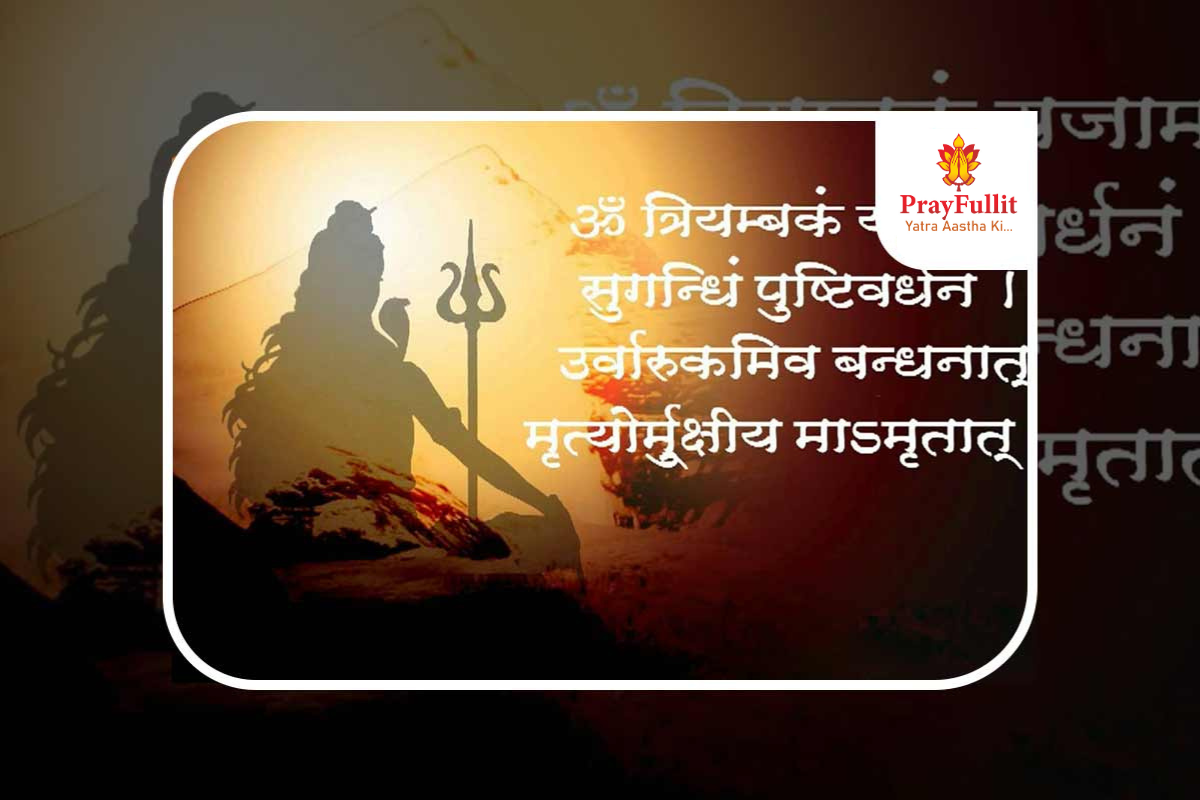
Mahamrityunjay Mantra Jaap
Mahamrityunjay Mantra Jaap – Book Expert Pandits for Home Puja & HealingThe Mahamrityunjay Mantra, also known as the "Co...
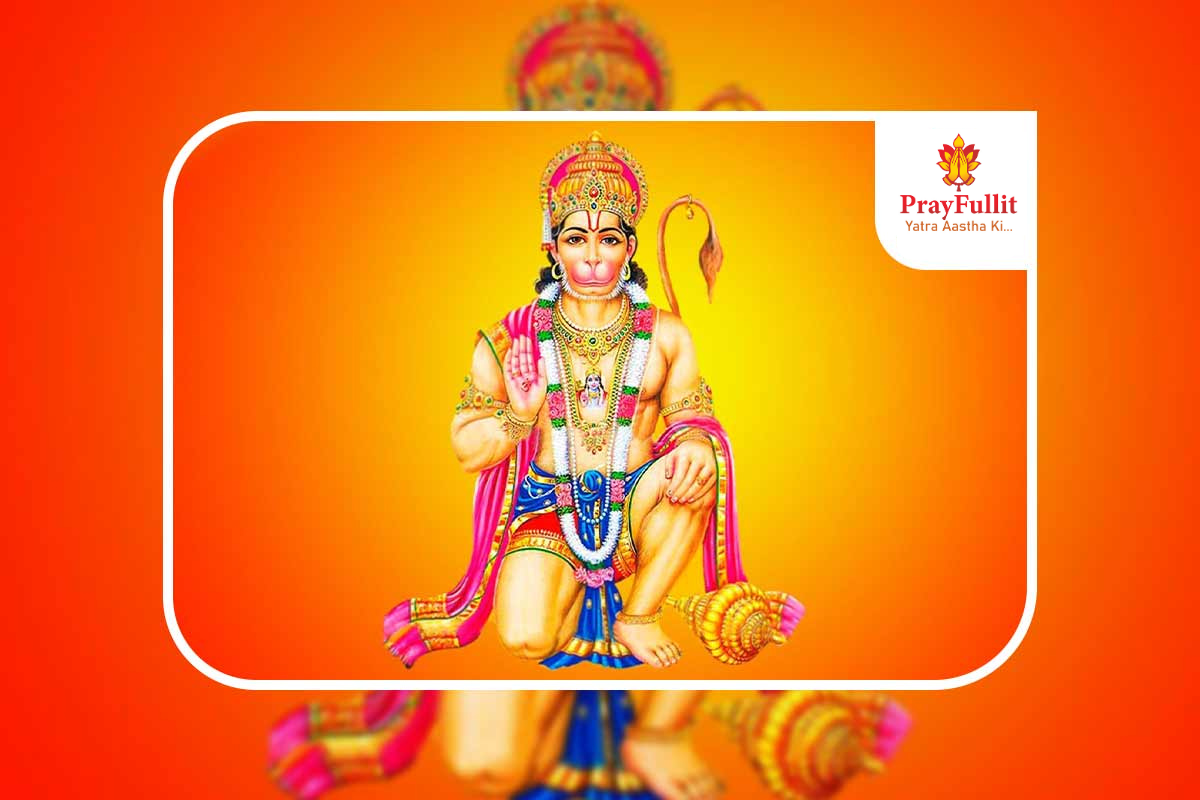
Sunder Kand Paath
Sunderkand Path Online – Book Expert Pandits for Sankat Mochan PujaSunderkand Path is the most powerful and spiritually...
This information is based on traditional religious beliefs and scriptural practice. No remedy can guarantee a result. For health, legal or financial matters, always consult a qualified expert.
Want Mahamrityunjay Mantra Jaap performed with full rituals by an experienced pandit?