

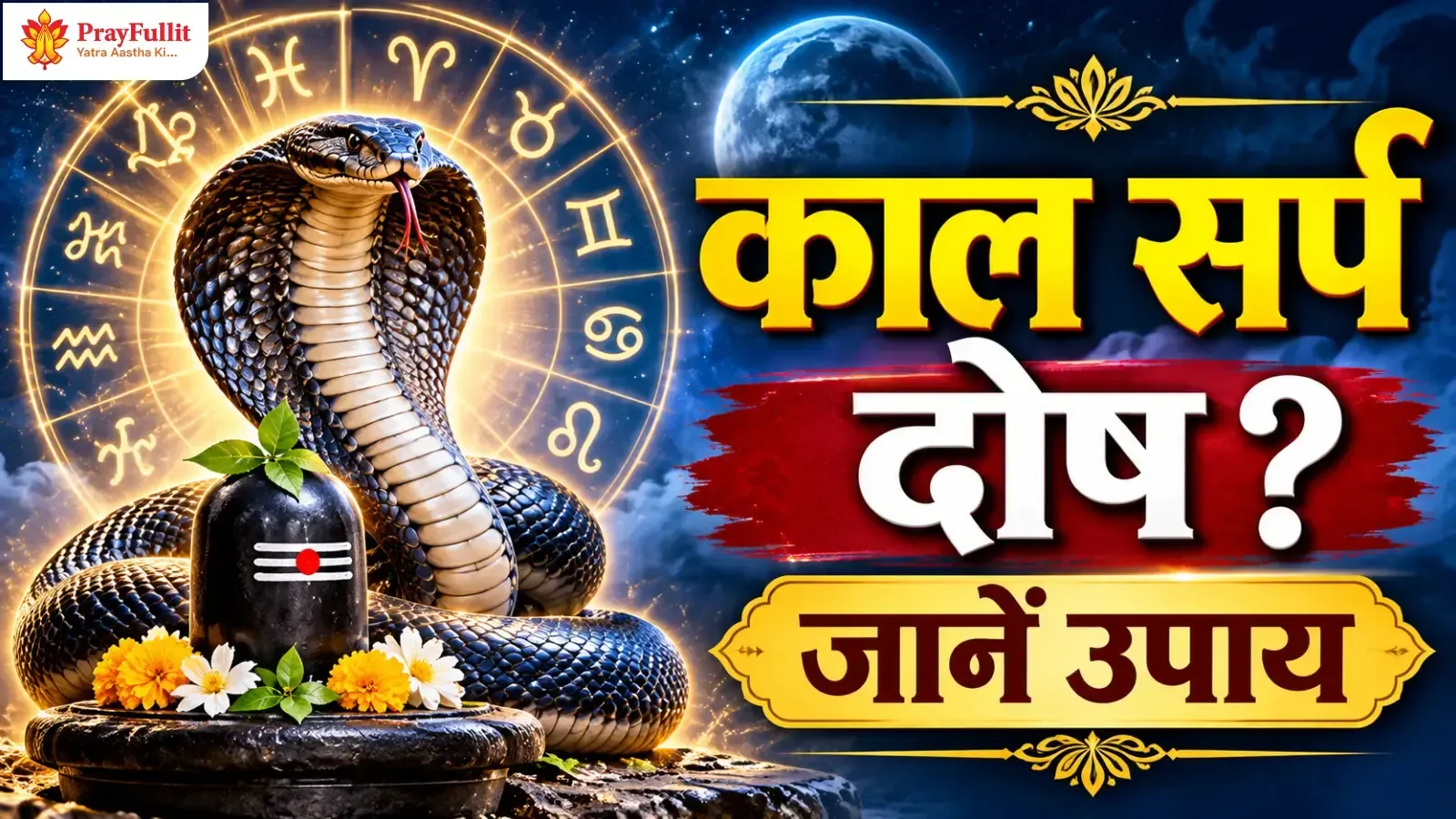
What Is Kaal Sarp Dosh in Kundli?
Kaal Sarp Dosh is a well-known astrological condition in Vedic astrology, associated with the positioning of Rahu and Ketu in a person's birth chart. According to traditional astrology, Kaal Sarp Dosh is formed when all seven major planets are positioned within the axis of Rahu and Ketu.
Rahu and Ketu are considered shadow planets in Vedic astrology and are associated with karmic influences, transformation, spiritual lessons and the journey of the soul. When this planetary alignment is present in a Kundli, astrologers may interpret it as Kaal Sarp Dosh, depending on the overall planetary placements and astrological principles being followed.
In traditional astrological interpretations, Kaal Sarp Dosh may be associated with certain challenges in life, including delays, uncertainty, obstacles in achieving goals or emotional unrest. However, its influence and interpretation are believed to depend on the complete Kundli, planetary strength, houses and other yogas.
Many devotees seek spiritual guidance, worship Lord Shiva and perform traditional remedies to seek peace, strength, clarity and divine blessings.
How Is Kaal Sarp Dosh Formed in Kundli?
According to Vedic astrology, Kaal Sarp Dosh is generally considered to form when all seven planets — Sun, Moon, Mars, Mercury, Jupiter, Venus and Saturn — are positioned within the axis of Rahu and Ketu in a birth chart.
Rahu and Ketu represent opposing points in the planetary axis and are traditionally associated with karmic experiences, desires, spiritual evolution and transformation.
The placement of these planets across different houses may lead astrologers to identify different types of Kaal Sarp Dosh. The interpretation may also differ depending on the strength of the planets, their conjunctions, aspects and the overall structure of the horoscope.
Therefore, simply hearing that Kaal Sarp Dosh is present in a Kundli should not be a reason for worry. A complete horoscope is traditionally examined before determining its significance or recommending spiritual remedies.
Signs and Effects of Kaal Sarp Dosh
In Vedic astrology, Kaal Sarp Dosh is traditionally associated with certain life experiences and challenges. Its interpretations may vary depending on the type of dosh and the planetary positions in the Kundli.
Some of the commonly associated experiences include:
1. Delays in Achieving Goals
Some astrological traditions associate Kaal Sarp Dosh with delays in achieving personal or professional goals. A person may feel that efforts are taking longer to produce desired results, or that progress is not happening as expected.
2. Challenges in Career and Financial Growth
Kaal Sarp Dosh is sometimes interpreted as a planetary condition associated with obstacles, uncertainty or periods of struggle in career and financial matters. Spiritual practices are traditionally undertaken to seek clarity, patience and strength during such periods.
3. Emotional Restlessness
Certain interpretations associate this dosh with mental unrest, overthinking, fear of the future or difficulty finding inner peace. Worship, meditation, mantra chanting and spiritual discipline are traditionally recommended to help cultivate calmness and devotion.
4. Obstacles in Personal Relationships
Some astrologers associate certain placements related to Kaal Sarp Dosh with difficulties in personal relationships, family harmony or marriage-related matters. However, these interpretations depend on the complete Kundli rather than the presence of this dosh alone.
5. Repeated Struggles or Uncertainty
Some people turn to astrology when they experience repeated challenges or feel uncertain about their life's direction. Within traditional astrological interpretations, Kaal Sarp Dosh may be examined as one of several planetary factors that could be considered while studying the horoscope.
These interpretations are not universal, and the complete Kundli is generally considered important before drawing conclusions.
Types of Kaal Sarp Dosh
In traditional Vedic astrology, Kaal Sarp Dosh is classified into twelve types, generally named according to the placement of Rahu and Ketu in different houses of the Kundli.
1. Anant Kaal Sarp Dosh
Anant Kaal Sarp Dosh is traditionally associated with Rahu in the first house and Ketu in the seventh house. Some astrological interpretations associate it with personal struggles, challenges in relationships and the need for patience and self-development.
2. Kulik Kaal Sarp Dosh
Kulik Kaal Sarp Dosh is associated with Rahu in the second house and Ketu in the eighth house. Traditionally, it is interpreted in connection with financial matters, family relationships and personal stability.
3. Vasuki Kaal Sarp Dosh
Vasuki Kaal Sarp Dosh is associated with Rahu in the third house and Ketu in the ninth house. It is traditionally interpreted in relation to courage, effort, spiritual beliefs and relationships with family members.
4. Shankhpal Kaal Sarp Dosh
Shankhpal Kaal Sarp Dosh is associated with Rahu in the fourth house and Ketu in the tenth house. Some traditional interpretations relate it to matters involving home, emotional stability, career and responsibilities.
5. Padma Kaal Sarp Dosh
Padma Kaal Sarp Dosh is associated with Rahu in the fifth house and Ketu in the eleventh house. It is traditionally interpreted in connection with children, education, creativity, aspirations and social relationships.
6. Mahapadma Kaal Sarp Dosh
Mahapadma Kaal Sarp Dosh is associated with Rahu in the sixth house and Ketu in the twelfth house. Some astrological interpretations relate it to health-related concerns, responsibilities, challenges and spiritual discipline.
7. Takshak Kaal Sarp Dosh
Takshak Kaal Sarp Dosh is associated with Rahu in the seventh house and Ketu in the first house. Traditionally, it is interpreted in connection with marriage, partnerships, personal identity and relationships.
8. Karkotak Kaal Sarp Dosh
Karkotak Kaal Sarp Dosh is associated with Rahu in the eighth house and Ketu in the second house. Some traditional interpretations relate it to transformation, family matters, financial stability and spiritual growth.
9. Shankhchood Kaal Sarp Dosh
Shankhchood Kaal Sarp Dosh is associated with Rahu in the ninth house and Ketu in the third house. It is traditionally interpreted in relation to faith, destiny, spiritual beliefs, courage and personal effort.
10. Ghatak Kaal Sarp Dosh
Ghatak Kaal Sarp Dosh is associated with Rahu in the tenth house and Ketu in the fourth house. Some astrological interpretations associate it with professional responsibilities, career progress, home life and emotional balance.
11. Vishdhar Kaal Sarp Dosh
Vishdhar Kaal Sarp Dosh is associated with Rahu in the eleventh house and Ketu in the fifth house. Traditionally, it is interpreted in connection with aspirations, gains, relationships, creativity and personal ambitions.
12. Sheshnag Kaal Sarp Dosh
Sheshnag Kaal Sarp Dosh is associated with Rahu in the twelfth house and Ketu in the sixth house. Some traditional interpretations relate it to spiritual pursuits, responsibilities, obstacles, solitude and inner transformation.
The interpretation of any type of Kaal Sarp Dosh may vary according to the astrologer's approach and the complete planetary arrangement in the Kundli.
Kaal Sarp Dosh Ke Upay
In Vedic traditions, spiritual remedies for Kaal Sarp Dosh are associated with devotion to Lord Shiva, mantra chanting, worship of Nag Devta, charity and other religious observances.
These practices are undertaken with faith and devotion to seek divine blessings, peace and spiritual strength.
1. Worship Lord Shiva
Lord Shiva is traditionally worshipped as the divine protector and the deity associated with transformation, spiritual wisdom and liberation.
Devotees seeking remedies for Kaal Sarp Dosh often worship Lord Shiva, particularly on Mondays, by offering water, milk, flowers and Bilva Patra to the Shivling, according to their religious traditions.
Regular Shiva worship is considered a spiritual practice through which devotees seek peace, strength and divine grace.
2. Chant the Maha Mrityunjaya Mantra
The Maha Mrityunjaya Mantra is one of the most revered mantras dedicated to Lord Shiva. Devotees chant this mantra for spiritual strength, protection, peace and divine blessings.
Maha Mrityunjaya Mantra:
ॐ त्र्यम्बकं यजामहे सुगन्धिं पुष्टिवर्धनम्।
उर्वारुकमिव बन्धनान्मृत्योर्मुक्षीय मामृतात्॥
Chanting the Maha Mrityunjaya Mantra with devotion and concentration is a traditional spiritual practice associated with Lord Shiva.
3. Chant the Shiva Mantra
Devotees may also regularly chant the following mantra:
Om Namah Shivaya
This sacred mantra is dedicated to Lord Shiva and is widely chanted during meditation, daily worship and spiritual observances. Regular chanting is traditionally considered a way to strengthen devotion, cultivate inner peace and remain connected with the divine.
4. Worship Nag Devta
Rahu and Ketu are traditionally associated with serpent symbolism in Vedic astrology. Therefore, worship of Nag Devta is also considered a spiritual remedy in certain traditions associated with Kaal Sarp Dosh.
Devotees may offer prayers to Nag Devta on auspicious occasions, particularly during Nag Panchami, according to their regional and family traditions.
5. Perform Charity and Seva
Charity, compassion and helping others are considered important aspects of Hindu spiritual practices.
Devotees may undertake charitable activities such as feeding the needy, donating food, helping animals or supporting people in need. These acts of kindness are traditionally regarded as expressions of compassion, humility and devotion.
6. Perform Kaal Sarp Dosh Nivaran Puja
Kaal Sarp Dosh Nivaran Puja is a traditional religious ritual performed by devotees seeking spiritual blessings and peace.
The puja is generally performed with the guidance of a Pandit who follows the relevant Vedic rituals, mantras and religious observances. Depending on the tradition, the ritual may involve worship of Lord Shiva, Nag Devta, mantra chanting, offerings and other prescribed practices.
Devotees may choose to perform Kaal Sarp Dosh Nivaran Puja as part of their spiritual journey and religious observances.
If you wish to perform this puja with proper guidance, you can arrange Kaal Sarp Dosh Nivaran Puja with an experienced Pandit.
Explore Kaal Sarp Dosh Nivaran Puja with Prayfullit
When Should Kaal Sarp Dosh Nivaran Puja Be Performed?
Kaal Sarp Dosh Nivaran Puja is traditionally performed on certain auspicious occasions and dates, depending on religious customs, the guidance of the Pandit and the devotee's Kundli.
Some devotees prefer to perform the puja on auspicious days associated with Lord Shiva or Nag Devta. In certain traditions, the puja is also performed at specific pilgrimage locations associated with Kaal Sarp Dosh Nivaran rituals.
The appropriate date and ritual observance may be determined according to the devotee's horoscope and the religious tradition being followed.
Can Kaal Sarp Dosh Be Removed?
According to traditional Vedic astrology and religious practices, remedies for Kaal Sarp Dosh are undertaken to seek the blessings of Lord Shiva, spiritual peace and guidance. Devotees may perform Kaal Sarp Dosh Nivaran Puja, worship Lord Shiva, chant sacred mantras, observe religious practices and undertake charity as part of their spiritual journey.
Rather than viewing a dosh only as a source of fear, many spiritual traditions encourage devotion, discipline, good deeds and faith in divine guidance.
Spiritual remedies are traditionally understood as practices through which devotees seek strength, peace and blessings while continuing to make sincere efforts in their everyday lives.
Book a Pandit for Kaal Sarp Dosh Nivaran Puja with Prayfullit
Kaal Sarp Dosh Nivaran Puja is a traditional Vedic ritual performed with devotion to Lord Shiva and other prescribed religious practices. If you wish to perform Kaal Sarp Dosh Nivaran Puja, a knowledgeable Pandit can guide you through the rituals, mantras and religious observances according to the relevant tradition.
Book a Pandit for Kaal Sarp Dosh Nivaran Puja with Prayfullit and perform the puja with proper guidance.
Learn About This Pooja
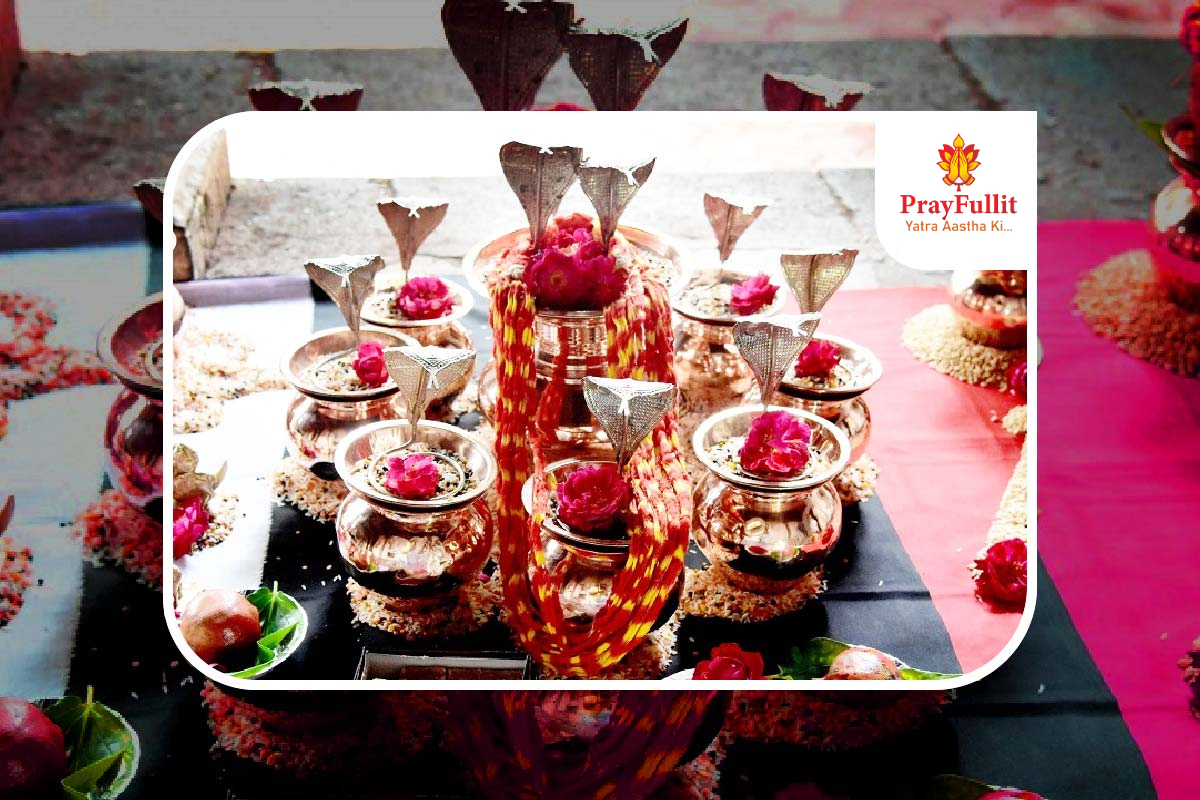
Kaal Sarp Dosh Nivaran Pooja
Kaal Sarp Dosh Nivaran Puja Online – Book Expert Pandits for Success & HarmonyKaal Sarp Dosh occurs when all seven prima...
This information is based on traditional religious beliefs and scriptural practice. No remedy can guarantee a result. For health, legal or financial matters, always consult a qualified expert.
Want Kaal Sarp Dosh Nivaran Pooja performed with full rituals by an experienced pandit?