

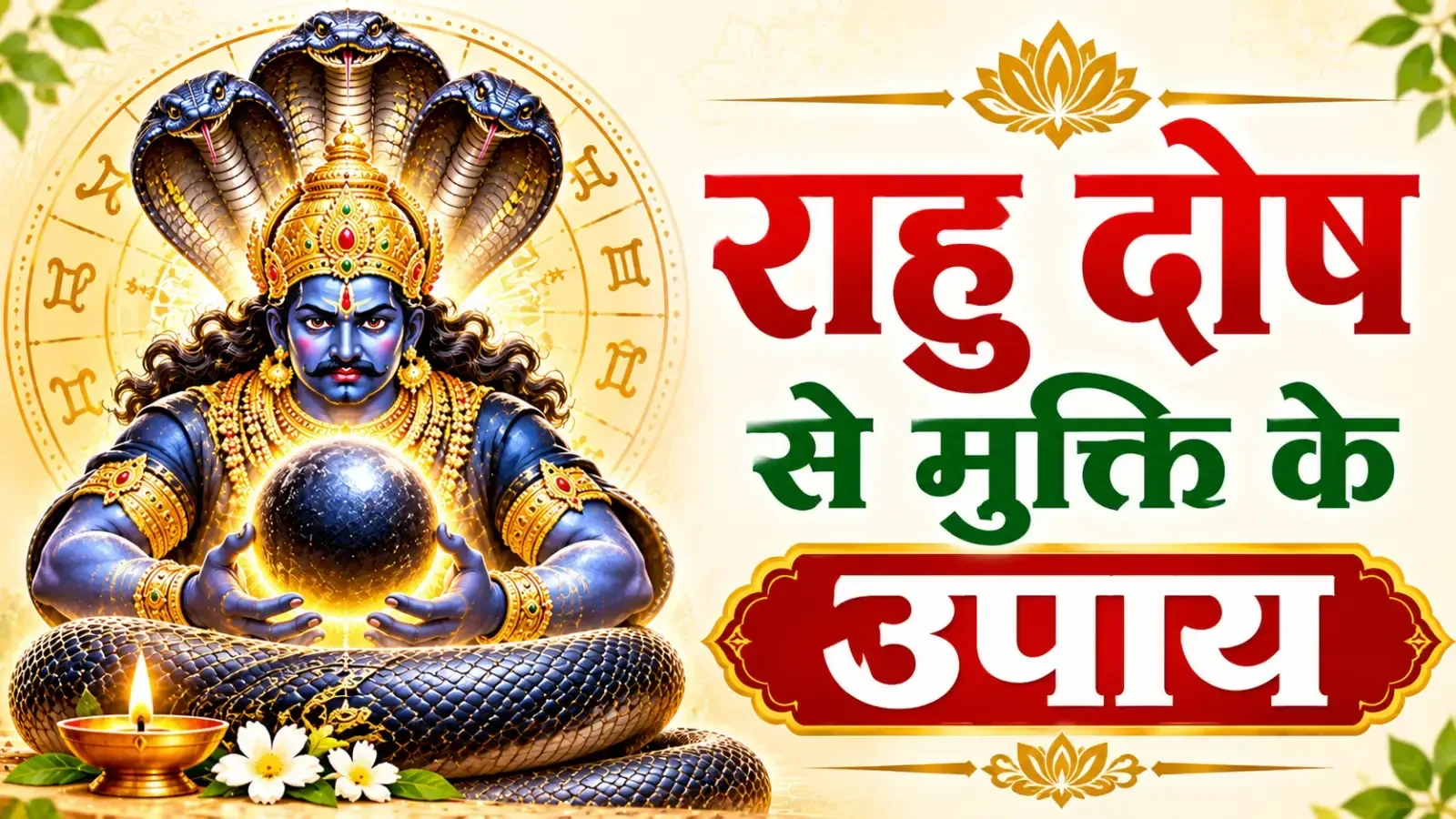
What Is Rahu Dosh in Kundli?
In Vedic astrology, Rahu is considered a shadow planet associated with desires, ambition, illusion, unexpected changes and karmic experiences. Its placement in a person's Kundli is traditionally believed to influence various aspects of life, depending on the house, zodiac sign, planetary conjunctions and the overall horoscope.
When Rahu is placed in certain houses or forms specific combinations with other planets, astrologers may interpret these placements as challenging or unfavorable. Such conditions are sometimes referred to as Rahu Dosh, depending on the astrological tradition and the overall planetary arrangement.
Rahu is not considered inherently negative in Vedic astrology. It is also associated with ambition, worldly achievements, unconventional thinking, opportunities, transformation and the desire to explore new paths. Its influence is interpreted differently depending on the strength of Rahu and other planetary factors in the Kundli.
When Rahu Dosh is identified in a horoscope, devotees may turn towards spiritual practices, worship of Maa Durga and Lord Shiva, mantra chanting, charity and Rahu Grah Shanti Puja to seek divine blessings, clarity, peace and spiritual strength.
How Is Rahu Dosh Formed in Kundli?
According to Vedic astrology, Rahu Dosh may be associated with particular placements of Rahu in the birth chart, its conjunction with other planets, its placement in certain houses and its relationship with the overall planetary arrangement.
Rahu is traditionally associated with material desires, ambition, sudden changes, unconventional paths and karmic experiences. Depending on its placement, astrologers may interpret its influence in relation to career, finances, relationships, personal ambitions, spiritual development and other aspects of life.
Some astrological interpretations consider the following placements and combinations while examining Rahu's influence:
- Rahu placed in certain houses of the Kundli.
- Rahu's conjunction with other planets.
- Rahu's influence on important houses and their lords.
- Rahu's position during Mahadasha or Antardasha.
- The strength, sign and overall placement of Rahu in the horoscope.
Rahu Dosh is not identified through a single placement in every astrological tradition. The complete Kundli is generally examined before interpreting Rahu's influence or recommending spiritual remedies.
Signs and Effects of Rahu Dosh
In Vedic astrology, Rahu is associated with desires, ambition, uncertainty, illusion, sudden developments and unconventional experiences. When astrologers interpret Rahu's influence as challenging in a Kundli, certain life experiences may be traditionally associated with it.
1. Confusion and Uncertainty
Rahu is traditionally associated with illusion, uncertainty and the desire for things that may not always bring lasting satisfaction. Some astrological interpretations associate its challenging influence with confusion, indecision or difficulty finding clarity in important matters.
Spiritual practices, meditation, prayer and devotion are traditionally encouraged to cultivate clarity, patience and inner stability.
2. Challenges in Career and Professional Life
Some astrologers associate challenging Rahu placements with unexpected changes, uncertainty, obstacles or unconventional experiences in professional life.
Rahu is also traditionally associated with ambition, technology, foreign connections, innovation and unusual career paths. Its interpretation depends on the complete Kundli rather than its placement alone.
3. Financial Uncertainty and Excessive Desires
Rahu is traditionally associated with material desires, ambition and the pursuit of worldly achievements. In some interpretations, its challenging influence may be associated with impulsive decisions, uncertainty in financial matters or an excessive desire for material gains.
Spiritual discipline, responsible actions, charity and a balanced approach towards material desires are considered important practices.
4. Relationship-Related Challenges
Some astrological traditions associate certain Rahu placements with misunderstandings, uncertainty or challenges in personal relationships.
The interpretation may depend on the placement of Rahu, the houses related to marriage and relationships, Venus, the Moon and other planetary factors in the Kundli.
5. Restlessness and Lack of Inner Peace
Rahu is sometimes associated with restlessness, overthinking, uncertainty and an intense desire to achieve or experience more.
In spiritual traditions, devotion, meditation, mantra chanting, worship and disciplined living are encouraged to cultivate peace, patience and a deeper connection with the divine.
6. Unexpected Changes and Obstacles
Rahu is traditionally associated with sudden developments, unexpected experiences and unconventional circumstances. Some astrologers interpret challenging Rahu placements as indicating periods that may require patience, adaptability and thoughtful decision-making.
Rather than viewing Rahu Dosh as a reason for fear, spiritual traditions encourage devotion, self-discipline, positive actions and faith in divine guidance.
Rahu Dosh Ke Upay
In Hindu spiritual traditions, remedies for Rahu Dosh are associated with worship of Maa Durga, Lord Shiva, mantra chanting, charity, spiritual discipline and Rahu Grah Shanti Puja.
These practices are undertaken with devotion and faith to seek divine blessings, spiritual strength, clarity and peace.
1. Worship Maa Durga
Maa Durga is worshipped as the divine शक्ति, the protector who removes fear, guides devotees through challenges and represents courage, strength and protection.
In many spiritual traditions, worship of Maa Durga is considered an important remedy associated with Rahu. Devotees may worship Maa Durga regularly, offer flowers, light a diya, recite Durga Chalisa or chant her sacred mantras according to their religious practices.
Regular devotion to Maa Durga is traditionally considered a way to seek divine protection, strength, courage and blessings during challenging periods.
2. Worship Lord Shiva
Lord Shiva is revered as the divine source of wisdom, transformation, peace and spiritual liberation. His worship is also associated with overcoming inner turmoil, cultivating detachment and seeking divine guidance.
Devotees may worship Lord Shiva by offering water and Bilva Patra to the Shivling, chanting Om Namah Shivaya and observing Monday worship according to their religious traditions.
Regular Shiva worship is considered an important spiritual practice through which devotees seek peace, strength, clarity and divine blessings.
3. Chant the Rahu Beej Mantra
Rahu Beej Mantra is a sacred mantra associated with Rahu in Vedic spiritual traditions. Devotees chant this mantra as part of their spiritual practices and planetary worship.
Rahu Beej Mantra:
ॐ भ्रां भ्रीं भ्रौं सः राहवे नमः॥
Om Bhram Bhreem Bhroum Sah Rahave Namah
Devotees may chant the Rahu Beej Mantra with devotion and concentration, traditionally using a mala during their spiritual practice.
The mantra is traditionally chanted to seek Rahu's blessings, spiritual balance and guidance.
4. Chant the Rahu Mantra
Devotees may also recite a Rahu mantra as part of their daily spiritual practices.
Rahu Mantra:
ॐ रां राहवे नमः॥
Om Raam Rahave Namah
Mantra chanting is traditionally performed with concentration, faith and discipline. Devotees may follow the guidance of a knowledgeable Pandit regarding the mantra, its pronunciation and the appropriate method of chanting.
5. Recite Durga Chalisa
Reciting Durga Chalisa is a devotional practice dedicated to Maa Durga. Devotees may recite it regularly to seek her blessings, courage, protection and spiritual strength.
Worship of Maa Durga, particularly through prayer, devotional recitation and mantra chanting, is traditionally associated with spiritual practices for Rahu-related challenges.
6. Perform Charity and Seva
Charity and seva are considered important aspects of Hindu spiritual practices. Devotees may undertake charitable activities as part of their religious observances associated with Rahu.
Traditional charitable practices may include:
- Feeding people in need.
- Donating food and essential items.
- Helping elderly people and those in need.
- Feeding animals according to one's religious traditions.
- Supporting charitable and religious activities.
Charity is traditionally considered an expression of compassion, humility, kindness and positive karma.
7. Observe Spiritual Discipline
Devotion, prayer, self-discipline and positive actions are considered important aspects of spiritual life. Devotees may maintain regular prayer, meditate, chant mantras, observe religious practices and cultivate patience, humility and compassion.
Spiritual discipline is traditionally encouraged as a way of strengthening one's connection with the divine and maintaining balance in everyday life.
8. Perform Rahu Grah Shanti Puja
Rahu Grah Shanti Puja is a traditional Vedic religious ritual performed by devotees seeking the blessings of Rahu and divine guidance.
The puja is generally performed according to prescribed Vedic rituals and the guidance of a Pandit. Depending on the religious tradition, it may involve Sankalp, mantra chanting, worship of associated deities, offerings and other prescribed rituals.
Devotees may perform Rahu Grah Shanti Puja as part of their spiritual journey, particularly when the puja is recommended after examining their Kundli.
If you wish to perform Rahu Grah Shanti Puja with proper religious guidance, you can arrange the puja with an experienced Pandit.
Explore Rahu Grah Shanti Puja with Prayfullit
When Should Rahu Grah Shanti Puja Be Performed?
Rahu Grah Shanti Puja is traditionally performed on auspicious dates and occasions according to religious customs, the devotee's Kundli and the guidance of a Pandit.
Some devotees prefer to perform Rahu-related rituals on days considered auspicious for planetary worship or during particular religious observances. The appropriate date and ritual practices may vary according to the astrological tradition being followed.
A Pandit may examine the Kundli and guide the devotee regarding the appropriate date, Sankalp and religious observances for the puja.
Can Rahu Dosh Be Removed?
According to traditional Vedic astrology and spiritual practices, remedies associated with Rahu Dosh are performed to seek divine blessings, spiritual balance, peace and guidance.
Devotees may worship Maa Durga and Lord Shiva, chant Rahu mantras, perform charity, maintain spiritual discipline and undertake Rahu Grah Shanti Puja according to their religious traditions.
Many spiritual teachings encourage devotees to approach planetary challenges with faith, patience, devotion, positive actions and trust in divine guidance.
Spiritual remedies are traditionally undertaken as a part of one's religious journey, alongside sincere efforts, responsible decisions and positive actions in everyday life.
Book a Pandit for Rahu Grah Shanti Puja with Prayfullit
Rahu Grah Shanti Puja is a traditional Vedic ritual performed with prescribed religious practices and devotion to seek spiritual blessings and guidance.
If you wish to perform Rahu Grah Shanti Puja, an experienced Pandit can guide you through the traditional rituals, mantras and religious observances according to the relevant practices.
Book a Pandit for Rahu Grah Shanti Puja with Prayfullit and perform the puja with proper religious guidance.
Learn About This Pooja
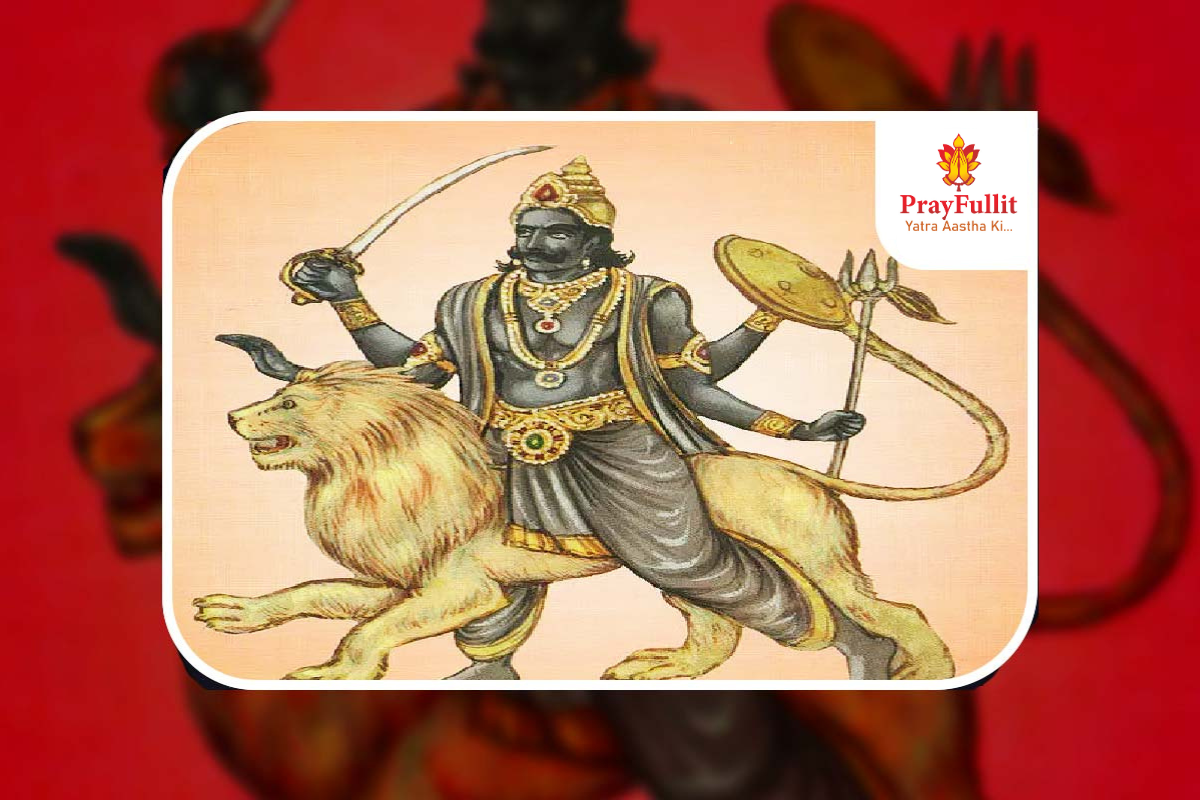
Rahu Grah Shanti Pooja
Rahu Grah Shanti Puja Online – Book Expert Pandits for Clarity & ProtectionIn Vedic astrology, Rahu is known as the "Sha...
This information is based on traditional religious beliefs and scriptural practice. No remedy can guarantee a result. For health, legal or financial matters, always consult a qualified expert.
Want Rahu Grah Shanti Pooja performed with full rituals by an experienced pandit?