

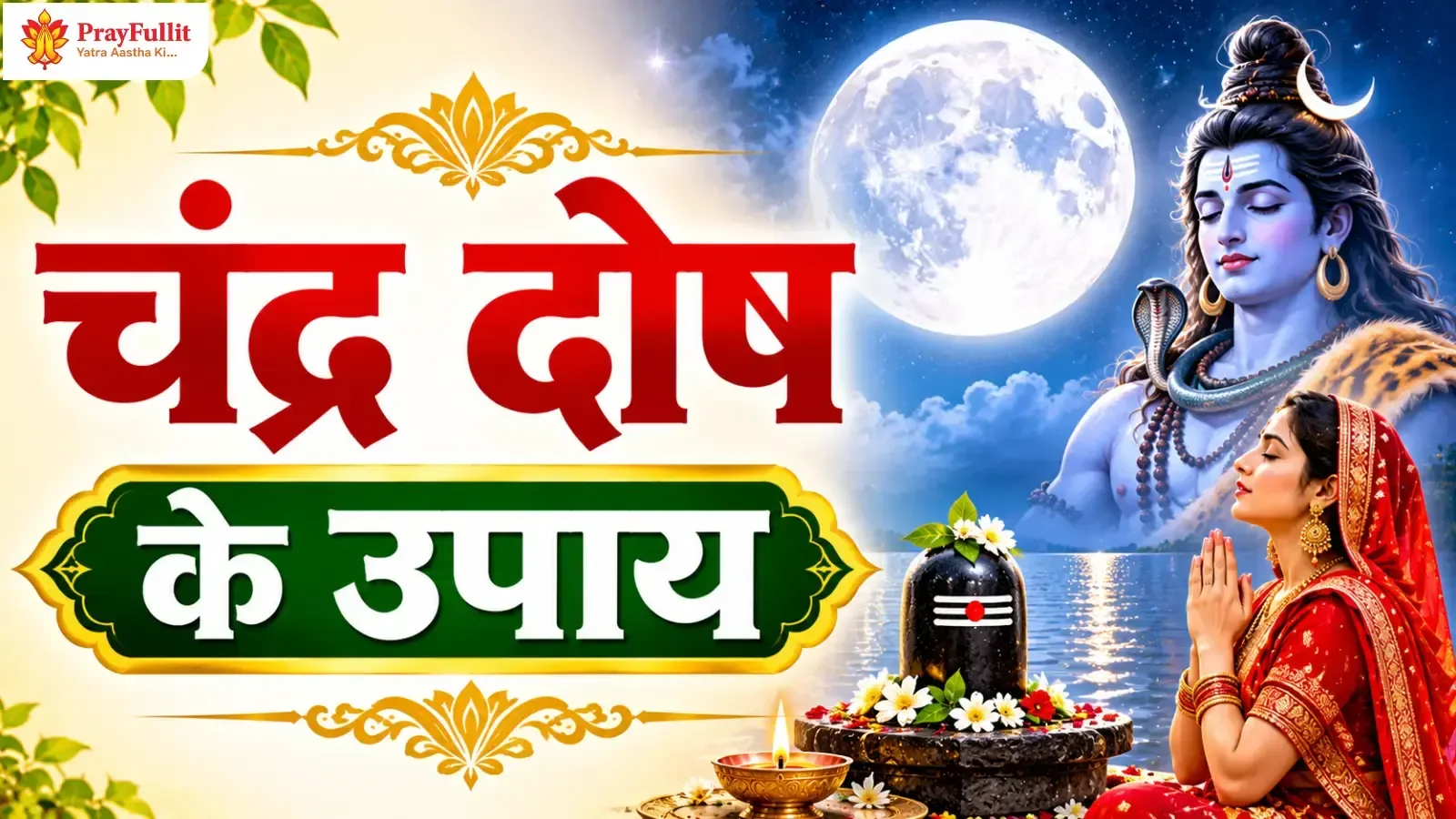
In Vedic astrology, the Moon (Chandra) is associated with the mind, emotions, inner peace, intuition and mental stability. Its placement in a birth chart is often considered important for understanding a person's emotional nature and mental well-being. When the Moon is influenced by certain planetary placements, conjunctions or aspects that are traditionally considered challenging, astrologers may interpret them as Chandra Dosh.
Chandra Dosh in Kundli is traditionally associated with emotional disturbances, mental restlessness, difficulty maintaining inner balance and challenges in certain aspects of life. However, its interpretation depends on the overall birth chart and the astrological tradition being followed.
Understanding what Chandra Dosh is, how it is interpreted and which remedies are traditionally recommended can help individuals explore this aspect of their kundli.
What Is Chandra Dosh in Kundli?
Chandra Dosh is an astrological condition in which the Moon is considered afflicted or adversely influenced by other planetary placements in a person's birth chart. In Vedic astrology, the Moon represents the mind, emotions, peace, intuition, maternal relationships and mental strength.
When the Moon is positioned in certain combinations or receives particular planetary influences, astrologers may interpret it as Chandra Dosh. Such configurations are traditionally believed to influence emotional balance, decision-making, relationships and a person's inner state of mind.
However, not every challenging Moon placement automatically indicates Chandra Dosh. Astrologers generally examine the Moon's sign, house, strength, aspects, conjunctions and the overall chart before reaching an interpretation.
How Is Chandra Dosh Formed in Kundli?
In Vedic astrology, Chandra Dosh may be interpreted through different planetary combinations and influences involving the Moon. Some commonly discussed configurations include:
Moon and Rahu
The conjunction of the Moon and Rahu is traditionally associated with Grahan-related astrological interpretations. Some astrologers interpret this combination as potentially affecting clarity of thought, emotional stability or decision-making.
Moon and Ketu
The Moon-Ketu conjunction is sometimes interpreted as an influence associated with detachment, introspection, emotional confusion or difficulty expressing feelings, depending on the overall birth chart.
Moon and Saturn
When the Moon is influenced by Saturn through conjunction or certain aspects, astrologers may interpret it as an indication of emotional heaviness, responsibilities, delays or periods of mental pressure.
Weak or Afflicted Moon
A Moon placed in a traditionally challenging position, receiving adverse planetary influences or lacking supportive aspects may also be interpreted as afflicted by some astrologers.
<text>This is not a universally standardized list of Chandra Dosh formations. Different astrologers may follow different rules, and the overall kundli is considered more important than a single planetary combination.</text>
Chandra Dosh in Kundli: Astrological Significance
According to Vedic astrology, the Moon is associated with the following aspects of life:
-
Mental and emotional balance: The Moon is traditionally connected with emotions, thoughts and the ability to maintain inner peace.
-
Intuition and decision-making: Its placement is interpreted in relation to intuition, mental clarity and thought patterns.
-
Mother and maternal relationships: The Moon is traditionally associated with the mother, maternal figures and nurturing.
-
Peace and stability: Astrologically, the Moon is considered significant in understanding emotional comfort, inner satisfaction and stability.
-
Daily life and habits: Some astrological interpretations associate the Moon with routine, reactions, adaptability and emotional responses.
When the Moon is considered afflicted, astrologers may interpret its influence in relation to these areas. However, such interpretations are part of astrological belief systems and should not be treated as scientifically established predictions.
Chandra Dosh Ke Lakshan: Signs and Effects
In traditional Vedic astrology, Chandra Dosh is sometimes associated with certain emotional or life-related challenges. Depending on the planetary combination and the overall kundli, astrologers may interpret it in relation to:
-
Emotional restlessness or difficulty maintaining inner peace
-
Overthinking or indecisiveness
-
Difficulty managing emotional responses
-
Feeling mentally unsettled during challenging periods
-
Challenges in relationships or communication
-
Difficulty maintaining focus or confidence in certain situations
These are traditional astrological interpretations, not medical symptoms or diagnostic indicators. Experiencing any of these difficulties does not mean that a person has Chandra Dosh.
How to Identify Chandra Dosh in Kundli?
Chandra Dosh cannot be accurately identified by looking at only one planetary placement. An astrologer generally examines several factors in the birth chart, including:
-
Moon's placement: The sign and house in which the Moon is positioned.
-
Planetary conjunctions: Whether the Moon is placed with Rahu, Ketu, Saturn or other planets.
-
Planetary aspects: Influences received by the Moon from other planets.
-
Moon's strength: Its dignity, position and other factors used in traditional chart analysis.
-
Overall kundli: Other planetary placements, houses and combinations that may modify the interpretation.
A detailed kundli analysis is generally used to understand whether the Moon is considered afflicted and what significance that placement may have within a particular astrological tradition.
Chandra Dosh Ke Upay: Remedies
In Vedic astrology, several spiritual practices are traditionally recommended for Chandra Dosh. These remedies are generally associated with worship, prayer, meditation, charity and devotional practices.
1. Worship Lord Shiva
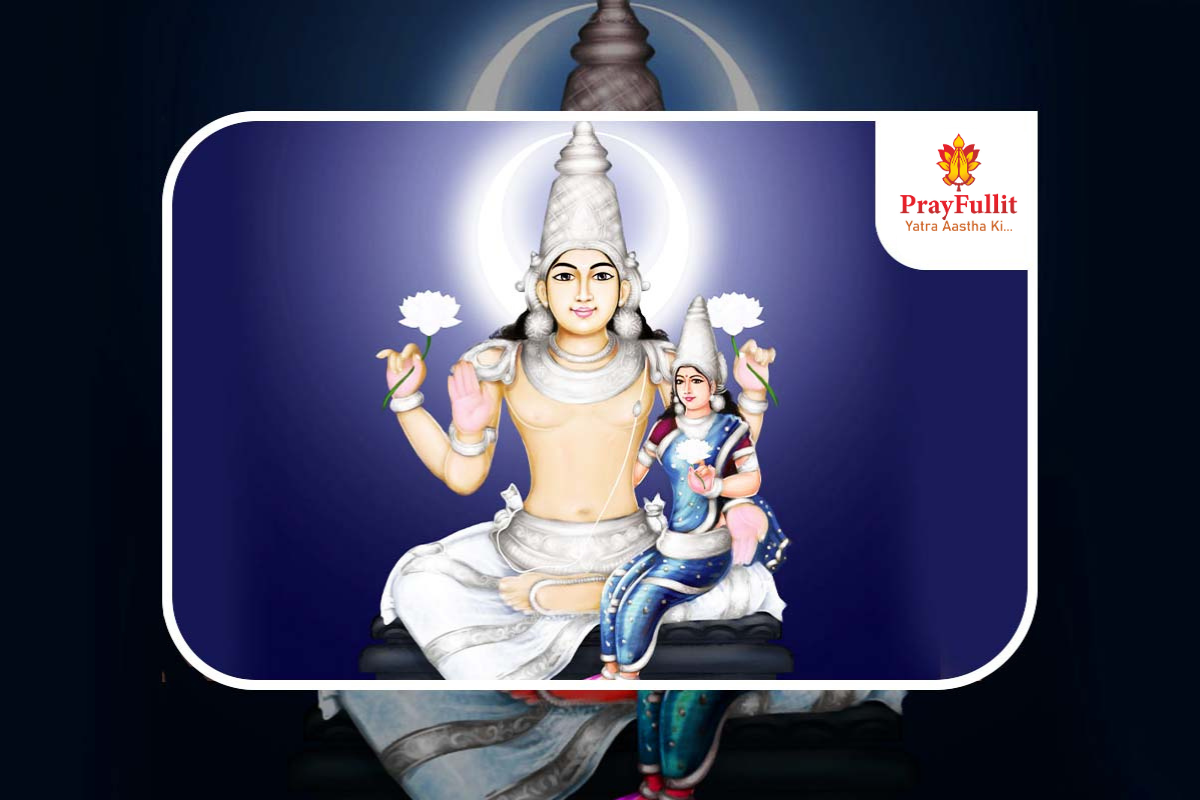
Lord Shiva is traditionally associated with the Moon, as Chandra Dev is depicted on his head. Worshipping Lord Shiva is commonly recommended as a spiritual remedy for Chandra-related astrological concerns.
Devotees may:
-
Offer water to a Shivling.
-
Chant Om Namah Shivaya.
-
Visit a Shiva temple on Mondays.
-
Participate in Shiva worship or Rudrabhishek according to their tradition.
2. Worship Chandra Dev
Chandra Dev is worshipped in Hindu traditions as the deity associated with the Moon. Some devotees perform Chandra Dev worship to seek peace, balance and blessings.
Traditional practices may include prayers on Monday, offering white flowers or following specific rituals according to one's family or religious tradition.
3. Chant Chandra Mantras
Chanting Chandra mantras is a commonly recommended spiritual practice for those seeking Chandra Dosh remedies.
Regular mantra chanting is traditionally associated with devotion, discipline and mental calmness.
4. Observe Monday Fasting
Monday, or Somvar, is traditionally associated with Lord Shiva. Some devotees observe a Monday fast as part of their spiritual practice.
Fasting practices vary, and individuals should follow a routine appropriate to their health and circumstances rather than undertake restrictive fasting unnecessarily.
5. Donate White-Coloured Items
Charity is considered an important spiritual practice in Hindu traditions. Some astrologers recommend donating white-coloured items as a traditional Chandra-related remedy.
Items may include:
-
Rice
-
Milk
-
White clothing
-
Sugar
-
White flowers
Donations are generally made according to personal belief, tradition and capacity.
6. Practice Meditation and Prayer
Meditation, prayer and other spiritual practices may help individuals develop mindfulness, discipline and a sense of calm.
In traditional astrological interpretations, such practices are sometimes recommended in connection with the Moon, which is associated with the mind and emotions.
7. Perform Chandra Dosh Shanti Puja
Chandra Dosh Shanti Puja may be recommended by some astrologers when a particular Moon-related planetary combination is considered significant in a person's birth chart.
The puja may involve Chandra Dev worship, mantra chanting, offerings and other rituals performed according to the priest's tradition.
Whether such a puja is considered necessary depends on the astrologer's interpretation of the kundli. It should not be treated as a mandatory ritual for everyone with a challenging Moon placement.
Chandra Dosh Mantra
Chanting mantras dedicated to Chandra Dev and Lord Shiva is traditionally considered a spiritual remedy for Moon-related astrological concerns.
Chandra Mantra
ॐ सोम सोमाय नमः॥
Om Som Somaya Namah.
This mantra is traditionally chanted as a prayer to Chandra Dev.
Chandra Beej Mantra
ॐ श्रां श्रीं श्रौं सः चन्द्राय नमः॥
Om Shraam Shreem Shraum Sah Chandraya Namah.
This is a traditional Chandra Beej mantra associated with Chandra Dev.
Lord Shiva Mantra
ॐ नमः शिवाय॥
Om Namah Shivaya.
This mantra is widely chanted by devotees of Lord Shiva as part of their spiritual practice.
Individuals may chant these mantras according to their religious tradition, personal faith and guidance.
When Should Chandra Dosh Remedies Be Performed?
In traditional Hindu practices, Monday is commonly associated with Lord Shiva and Chandra Dev. Therefore, many devotees prefer Monday for Moon-related worship and spiritual practices.
Some astrologers may also recommend specific dates, lunar phases, mantras or puja timings after examining the birth chart.
However, there is no single universally prescribed time for every Chandra Dosh remedy. The choice of ritual or practice generally depends on personal belief, tradition and astrological interpretation.
Can Chandra Dosh Be Removed?
In Vedic astrology, remedies for Chandra Dosh are traditionally intended to reduce the perceived negative influence of an afflicted Moon and support spiritual balance. However, astrologers differ in their interpretations of whether a dosh can be completely removed or whether its effects may be modified by other planetary influences and remedies.
A birth chart may also contain supportive planetary placements that influence how an astrologer interprets the overall condition of the Moon.
Rather than assuming that Chandra Dosh will always produce negative outcomes, it is important to understand the complete kundli and the specific planetary combination involved.
Seek Guidance for Chandra Dosh in Your Kundli
Chandra Dosh is interpreted differently depending on the planetary placements, aspects and overall structure of a birth chart. The presence of a particular Moon conjunction alone may not be sufficient to determine whether a dosh is significant.
If you want to understand Chandra Dosh in your kundli, its traditional significance and which spiritual remedies may be appropriate, a personalised kundli analysis can provide a more detailed interpretation.
Talk to an Astrologer to understand your planetary placements and explore traditionally recommended remedies.
Learn About This Pooja
Chandra Grah Shanti Pooja
Chandra Grah Shanti Puja Online – Book Expert Pandits for Mental PeaceIn Vedic astrology, Chandra (The Moon) is the rule...
This information is based on traditional religious beliefs and scriptural practice. No remedy can guarantee a result. For health, legal or financial matters, always consult a qualified expert.
Want Chandra Grah Shanti Pooja performed with full rituals by an experienced pandit?