

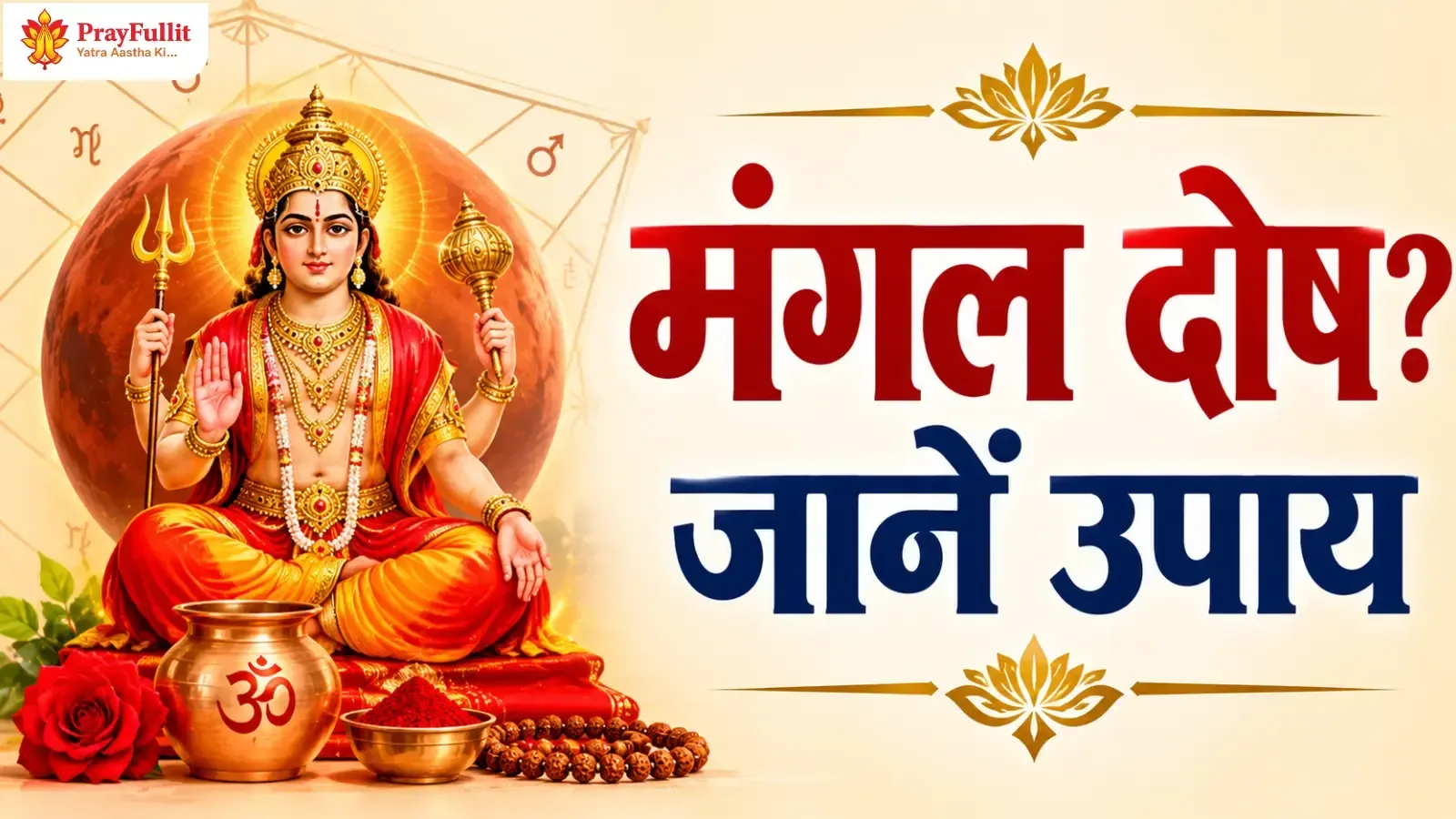
In Vedic astrology, Mangal Dosha is one of the most commonly discussed planetary conditions, particularly when it comes to marriage and compatibility. Also known as Manglik Dosha or Kuja Dosha, it is associated with the placement of Mars (Mangal) in certain houses of a person's birth chart.
Many people check for Mangal Dosha before marriage to understand its astrological significance, possible effects and traditional remedies. However, its interpretation depends on the overall Kundli, planetary placements and other astrological factors.
In this guide, we will explain what Mangal Dosha is, how it is formed, its commonly associated effects and traditional spiritual remedies.
What Is Mangal Dosha in Kundli?
Mangal Dosha is an astrological condition that occurs when Mars (Mangal) is positioned in certain houses of a person's birth chart, according to traditional Vedic astrology.
Mars represents courage, energy, ambition, passion, strength and assertiveness. When Mars occupies certain houses in a Kundli, astrologers may interpret its placement as Mangal Dosha, which is traditionally associated with challenges in marriage, relationships, temperament and domestic harmony.
A person with Mangal Dosha is commonly referred to as Manglik.
Mangal Dosha is also known by different names, including:
- Manglik Dosha
- Mangal Dosh
- Manglik Dosh
- Kuja Dosha
These terms are commonly used to refer to the same astrological condition.
How Is Mangal Dosha Formed in Kundli?
According to commonly followed Vedic astrology traditions, Mangal Dosha is considered when Mars is placed in certain houses of the birth chart.
These houses are generally:
- 1st House – Lagna or Ascendant
- 2nd House – Family and speech (included in some traditions)
- 4th House – Home, comfort and domestic life
- 7th House – Marriage and partnerships
- 8th House – Longevity, transformation and marital dynamics
- 12th House – Sleep, intimacy and expenses
The interpretation of Mangal Dosha can vary depending on the astrological tradition followed.
The presence of Mars in one of these houses does not necessarily mean that a person will experience difficulties in marriage. Astrologers also examine the strength of Mars, its aspects, conjunctions, the placement of other planets and the overall horoscope.
What Are the Effects of Mangal Dosha?
According to Vedic astrology, Mangal Dosha is traditionally associated with certain areas of life. Its interpretation depends on the complete Kundli rather than a single planetary placement.
1. Marriage and Relationship Challenges
Mangal Dosha is commonly associated with marital disagreements, misunderstandings, impatience and difficulties in maintaining harmony between partners.
In traditional astrology, Mars is believed to influence passion, assertiveness and temper. Its placement may therefore be interpreted as affecting the balance of a married relationship.
2. Delay in Marriage
Some astrologers associate Mangal Dosha with delays in marriage or difficulties in finding a suitable life partner.
However, marriage timing is traditionally assessed through several factors, including the 7th house, Venus, Jupiter, planetary periods and other horoscope combinations.
3. Temperament and Anger
Mars is associated with courage, energy, determination and aggression. When its placement is considered unfavorable, astrologers may interpret it as indicating impatience, impulsiveness or anger.
Traditional remedies are often recommended to seek balance, discipline and peace.
4. Family and Domestic Harmony
Certain Mars placements are traditionally associated with tension within family life, disagreements or difficulties in maintaining domestic harmony.
Astrologers examine the complete horoscope to understand these combinations and recommend appropriate remedies.
5. Obstacles and Restlessness
Mangal Dosha is also sometimes associated with restlessness, conflicts, impulsive decisions or challenges in different areas of life.
The interpretation varies according to the position of Mars and the other planetary influences in the Kundli.
Mangal Dosha vs Manglik Dosha: Is There a Difference?
Mangal Dosha and Manglik Dosha are generally used interchangeably in Vedic astrology.
- Mangal Dosha refers to the astrological condition associated with Mars in certain houses of the birth chart.
- Manglik Dosha is the commonly used term to describe a person whose horoscope is considered to have this condition.
Both terms refer to the same astrological concept in common usage.
7 Traditional Remedies for Mangal Dosha
According to Vedic traditions, several spiritual remedies are recommended for Mangal Dosha. These remedies are performed to seek the blessings of Lord Mangal, Lord Hanuman and other deities associated with strength, protection and spiritual balance.
1. Mangal Grah Shanti Puja
Mangal Grah Shanti Puja is a traditional Vedic ritual performed to seek the blessings of Lord Mangal and pacify the unfavorable influence of Mars in one's horoscope.
The puja may include Sankalp, mantra chanting, worship of Lord Mangal and Havan, according to the prescribed rituals and the guidance of a pandit.
2. Chant Mangal Beej Mantra
Chanting the Mangal Beej Mantra is considered a traditional spiritual remedy for Mangal Dosha.
The mantra is:
ॐ क्रां क्रीं क्रौं सः भौमाय नमः॥
Om Kraam Kreem Kraum Sah Bhaumaya Namah.
Devotees traditionally chant this mantra on Tuesdays, especially during periods associated with Mars in their horoscope.
3. Worship Lord Hanuman
Lord Hanuman is traditionally worshipped for courage, strength, protection and the removal of obstacles.
Devotees with Mangal Dosha often worship Lord Hanuman on Tuesdays and Saturdays. Offering prayers, lighting a diya and seeking his blessings are commonly followed spiritual practices.
4. Recite Hanuman Chalisa
Reciting Hanuman Chalisa with devotion is considered a spiritual remedy for seeking protection, courage and inner strength.
Devotees may recite Hanuman Chalisa regularly or on Tuesdays as part of their spiritual routine.
5. Observe Tuesday Vrat
Tuesday, or Mangalwar, is associated with Lord Mangal and Lord Hanuman.
Observing a Tuesday fast, offering prayers and following devotional practices are traditional remedies recommended for Mangal Dosha.
6. Donate on Tuesday
Donations made on Tuesdays are traditionally associated with remedies for Mars.
Items commonly donated may include red cloth, lentils (masoor dal), food or other items according to the traditions followed.
Donation should be performed with sincerity and a spirit of service.
7. Seek Kundli-Based Astrological Guidance
Mangal Dosha is not interpreted solely on the basis of Mars being present in a particular house.
An astrologer may examine the complete Kundli, including planetary aspects, conjunctions, the strength of Mars, cancellation conditions and other combinations, before recommending a remedy.
A personalised astrological consultation can help determine which traditional remedies may be appropriate for your horoscope.
When Should Mangal Dosha Remedies Be Performed?
Tuesday is traditionally considered an auspicious day for worshipping Lord Mangal and Lord Hanuman. Mangal Grah Shanti Puja may also be performed on an auspicious Muhurat recommended by a pandit or astrologer based on the person's Kundli and the purpose of the ritual.
The appropriate date and timing may depend on the horoscope, family traditions and the ritual being performed.
Seek the Blessings of Lord Mangal Through Mangal Grah Shanti Puja
Mangal Grah Shanti Puja is a traditional Vedic ritual performed to seek the blessings of Lord Mangal and bring spiritual peace and balance. If you wish to perform Mangal Grah Shanti Puja according to Vedic traditions, you can book an experienced pandit through Prayfullit.
Book Mangal Grah Shanti Puja with a Pandit and arrange the ritual at your preferred location.
Learn About This Pooja
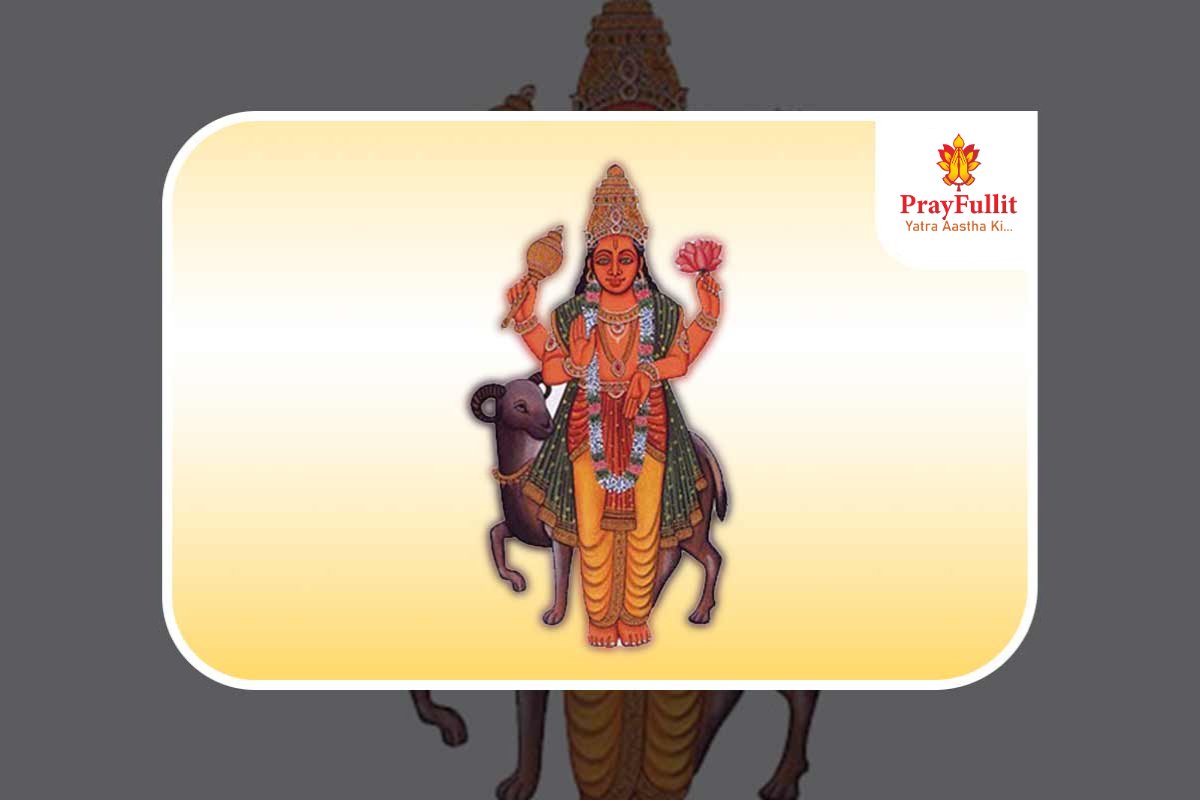
Mangal Grah Shanti Pooja
Book Mangal Grah Shanti Pooja Pandit Online | Mangal Dosha Nivaran at Home Book a verified Vedic Pandit online for Ma...
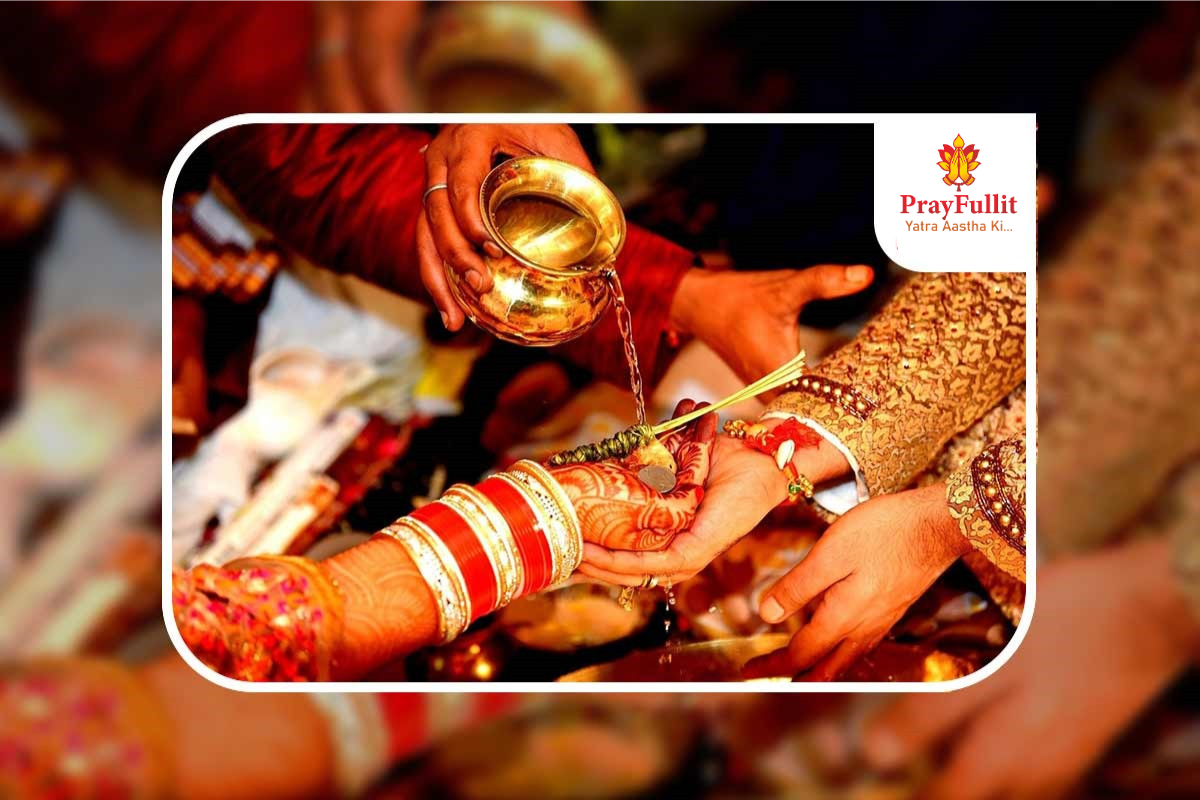
Vivah (Wedding) Sanskar
Book Vivah Sanskar: Expert Pandits for Your Sacred Wedding Ceremony Vivah Sanskar, the Hindu Wedding Ceremony, is con...
This information is based on traditional religious beliefs and scriptural practice. No remedy can guarantee a result. For health, legal or financial matters, always consult a qualified expert.
Want Mangal Grah Shanti Pooja performed with full rituals by an experienced pandit?