

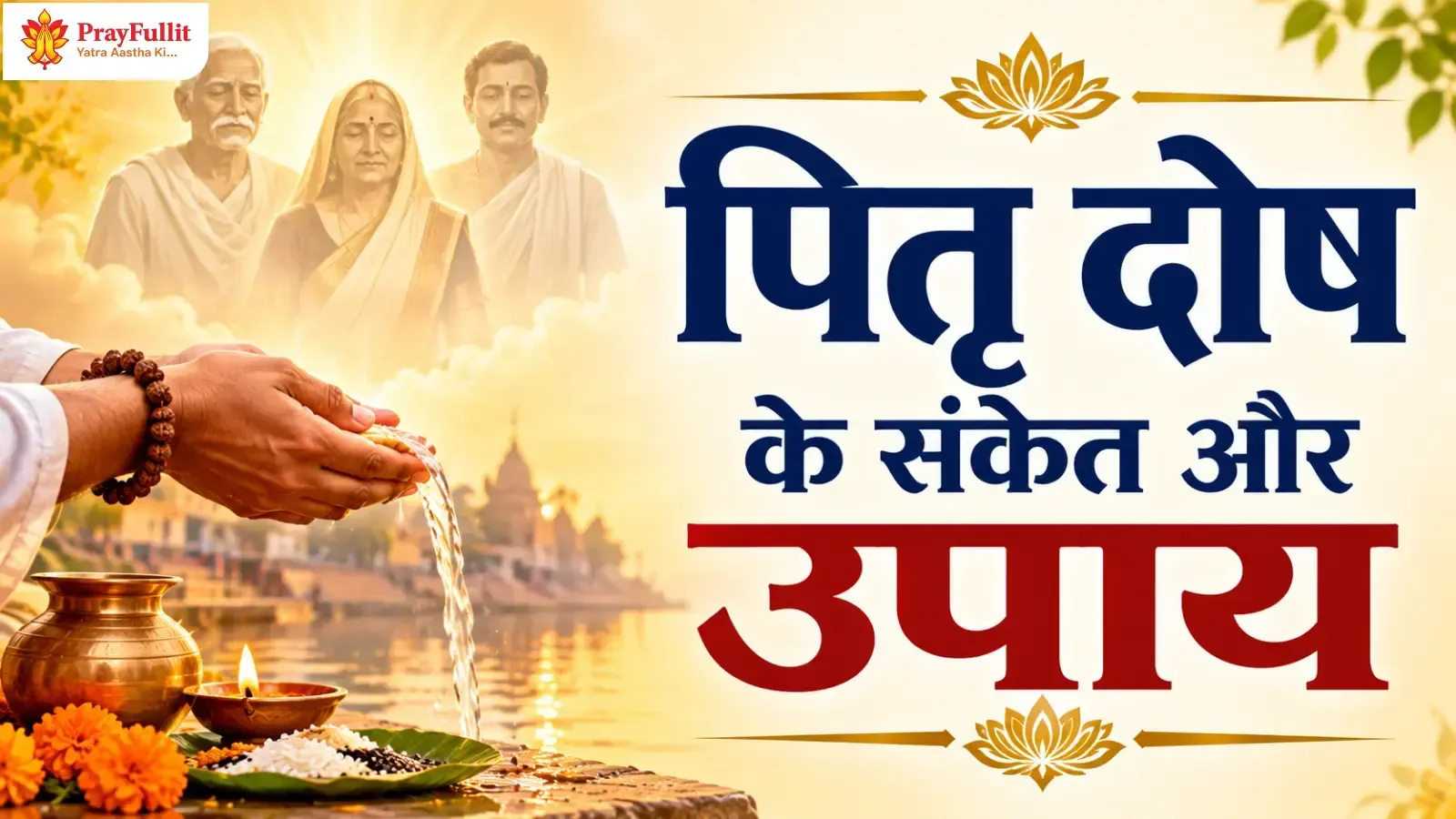
In Vedic astrology, Pitra Dosh is often associated with ancestral karma, unresolved obligations towards ancestors and certain planetary combinations in a person's Kundli. Many people seek to understand Pitra Dosh when they experience recurring family challenges, obstacles in important life matters or concerns related to ancestral blessings.
According to traditional beliefs, honouring ancestors through prayer, charity, Tarpan and other spiritual practices is considered a way of seeking their blessings and maintaining a connection with one's ancestral lineage.
But what exactly is Pitra Dosh? How is it identified in a Kundli, what are its traditional signs, and what remedies are recommended?
Let's understand Pitra Dosh in detail.
What Is Pitra Dosh in Kundli?
Pitra Dosh, also known as Pitru Dosh, is a concept in Vedic astrology associated with ancestral karma and the influence of one's lineage. Traditionally, it is believed to arise from certain planetary combinations in a birth chart that astrologers interpret as indicating ancestral obligations, karmic influences or a need to honour one's forefathers.
The term Pitra refers to ancestors, while Dosh refers to an astrological affliction or imbalance.
According to traditional Hindu beliefs, ancestors hold an important place in family and spiritual life. Offering prayers, performing Shraddha, Tarpan and charitable acts in their remembrance are considered ways of expressing gratitude and seeking their blessings.
Pitra Dosh is generally interpreted through the position and combinations of planets in a person's Kundli. However, astrologers may differ in their interpretations, and the presence of a single planetary placement does not universally establish Pitra Dosh.
How Is Pitra Dosh Formed in Kundli?
In Vedic astrology, Pitra Dosh is generally assessed by examining certain planetary combinations, houses and their relationships in a birth chart.
Some commonly discussed astrological combinations include:
1. Sun and Rahu or Ketu conjunction
The Sun is traditionally associated with authority, father, lineage and vitality. When the Sun is placed with Rahu or Ketu in certain combinations, some astrologers interpret this as an indication of Pitra Dosh.
2. Affliction to the Ninth House
The ninth house is traditionally associated with Dharma, fortune, Guru, father and ancestral blessings. Certain planetary afflictions or combinations involving the ninth house or its lord may be considered relevant when assessing Pitra Dosh.
3. Affliction to the Sun
Since the Sun is associated with father, authority and ancestral connections in Vedic astrology, an afflicted Sun may be examined as part of a broader Pitra Dosh assessment.
4. Planetary combinations involving the Fifth House
The fifth house is associated with past-life karma, children and certain spiritual interpretations. Some astrologers examine planetary afflictions involving the fifth house when assessing ancestral or karmic influences.
Pitra Dosh is not determined by one placement alone in every astrological tradition. The overall Kundli, planetary strength, aspects and other combinations are generally considered.
Causes of Pitra Dosh According to Vedic Astrology
According to traditional astrological and religious beliefs, Pitra Dosh may be associated with several ancestral or karmic circumstances.
Some commonly described causes include:
- Unfulfilled ancestral obligations or rituals.
- Neglect of traditional Shraddha or Tarpan observances.
- Ancestral karmic influences believed to continue through generations.
- Certain planetary combinations associated with ancestors and past karma.
- Traditions concerning unresolved duties towards departed family members.
Signs and Effects Associated with Pitra Dosh
In traditional astrology, Pitra Dosh is sometimes associated with recurring difficulties or challenges in different areas of life. These interpretations vary across astrologers and traditions.
Some commonly mentioned signs and effects include:
1. Repeated obstacles in important matters
Some traditions associate Pitra Dosh with repeated delays or obstacles in career, financial growth, personal goals or important decisions.
2. Family conflicts and disagreements
Recurring disagreements, misunderstandings or difficulties in maintaining harmony within the family are sometimes interpreted through an ancestral or karmic perspective.
3. Challenges in marriage
Certain astrologers associate Pitra Dosh with delays in marriage, difficulties in finding a suitable partner or challenges in married life.
4. Financial instability
Some traditional interpretations associate Pitra Dosh with financial difficulties, unexpected expenses or challenges in maintaining financial stability.
5. Obstacles related to family growth
In certain astrological traditions, difficulties concerning children or family growth may be examined alongside other planetary combinations. Such matters should never be attributed to Pitra Dosh alone.
6. A feeling of repeated setbacks
Some people consult astrologers when they feel that recurring challenges are affecting multiple areas of life. In astrology, these patterns may be examined alongside other planetary influences.
How to Check Pitra Dosh in Kundli?
Pitra Dosh is traditionally assessed through a detailed examination of a person's birth chart rather than by looking at a single planet or house.
An astrologer may examine:
- The position of the Sun in the birth chart.
- The ninth house and its ruling planet.
- The fifth house and its planetary influences.
- The conjunctions and aspects of Rahu and Ketu.
- Planetary strength and afflictions.
- Other relevant combinations across the Kundli.
The interpretation may vary depending on the astrologer's tradition and the overall horoscope.
If you wish to understand whether Pitra Dosh is indicated in your Kundli, consulting an experienced astrologer can help you interpret the relevant planetary combinations.
Pitra Dosh Ke Upay: Spiritual Remedies
According to Hindu religious traditions and Vedic astrology, various spiritual practices are recommended for Pitra Dosh. These remedies are primarily associated with remembering ancestors, expressing gratitude, performing religious observances and seeking blessings.
1. Perform Shraddha and Tarpan
Shraddha and Tarpan are traditional rituals performed in remembrance of ancestors. These observances are considered important in Hindu traditions for expressing gratitude and offering prayers to departed family members.
Tarpan is traditionally performed using water and other prescribed elements, according to the ritual and family tradition.
2. Observe Pitru Paksha
Pitru Paksha is a period traditionally dedicated to remembering and honouring ancestors. During this period, many families perform Shraddha, Tarpan and charitable activities in remembrance of their departed ancestors.
Performing ancestral rituals during Pitru Paksha is considered spiritually significant in Hindu traditions.
3. Worship Lord Shiva
Lord Shiva is worshipped by many devotees for spiritual peace, strength and divine blessings.
Chanting Shiva mantras, offering water to Shivling and performing regular Shiva worship are among the spiritual practices recommended in certain traditions for Pitra Dosh.
Devotees may chant:
Om Namah Shivaya
Regular chanting with devotion and sincerity is considered an important spiritual practice.
4. Offer food and charity
Donating food, clothes or other necessities to people in need is considered a meritorious act in Hindu traditions.
Some Pitra Dosh remedies recommend charity on Amavasya, during Pitru Paksha or on other days considered suitable according to family and religious customs.
5. Feed animals as a charitable act
Offering food to animals, particularly cows, is regarded as a charitable and devotional practice in various Hindu traditions.
Some traditional Pitra Dosh remedies include feeding cows, birds or other animals as an act of compassion and charity.
6. Remember ancestors with gratitude
Remembering departed family members, maintaining family traditions, helping others and performing charitable acts in their name are also considered meaningful ways of honouring ancestors.
These practices may be followed according to one's family traditions, beliefs and personal circumstances.
7. Perform Pitra Dosh Nivaran Puja
Pitra Dosh Nivaran Puja is a traditional religious ritual performed to offer prayers to ancestors and seek their blessings.
The ritual may include Sankalp, Tarpan, Pind Daan, mantra chanting and other observances depending on the ritual tradition and the guidance of the Pandit.
If you wish to perform Pitra Dosh Nivaran Puja or Tarpan as part of your ancestral prayers, you can arrange the rituals with the guidance of an experienced Pandit with Prayfullit.
Explore Pitra Dosh Nivaran Puja
When Is Pitra Dosh Nivaran Puja Performed?
Pitra Dosh Nivaran Puja may be performed on dates considered spiritually significant for ancestral worship according to Hindu traditions.
Commonly observed occasions include:
- Amavasya.
- Pitru Paksha.
- Sarva Pitru Amavasya.
- Dates recommended by an astrologer or Pandit according to family traditions.
The appropriate date and ritual procedure may vary depending on the purpose of the puja, regional customs and the guidance of the Pandit.
Can Pitra Dosh Be Removed?
According to traditional Hindu beliefs, Pitra Dosh remedies are performed to seek ancestral blessings, honour departed family members and address the spiritual concerns associated with Pitra Dosh.
Practices such as Shraddha, Tarpan, charity, mantra chanting and Pitra Dosh Nivaran Puja are commonly recommended.
Rather than viewing these practices only as a way to remove an astrological affliction, many devotees also regard them as expressions of gratitude, remembrance, devotion and respect towards their ancestors.
The specific remedies recommended may vary depending on the Kundli, family traditions and religious guidance.
Perform Pitra Dosh Nivaran Puja with Proper Guidance
According to Vedic traditions, Pitra Dosh Nivaran Puja and Tarpan are performed to offer prayers to ancestors and seek their blessings. If you wish to perform these rituals, a knowledgeable Pandit can guide you through the appropriate puja vidhi and observances.
Book a Pandit for Pitra Dosh Nivaran Puja with Prayfullit and perform the rituals with proper guidance.
Religious & Cultural Significance
Frequently Asked Questions About Pitra Dosh
Can Pitra Dosh affect financial growth?
Certain traditional astrological interpretations associate Pitra Dosh with financial obstacles. However, financial difficulties cannot be reliably attributed to Pitra Dosh alone.
Is Pitra Dosh Nivaran Puja necessary?
Whether a person chooses to perform Pitra Dosh Nivaran Puja depends on their religious beliefs, family traditions and astrological guidance. It is a traditional spiritual observance rather than a universally necessary ritual.
This information is based on traditional religious beliefs and scriptural practice. No remedy can guarantee a result. For health, legal or financial matters, always consult a qualified expert.
Find an experienced pandit for the pooja you need.